Regular brake care is one of the most important aspects of safe driving, yet it is often overlooked by many vehicle owners. Brake pads are a small but critical component of your vehicle's braking system, directly affecting your ability to stop safely and avoid accidents. Worn or damaged brake pads not only compromise your safety but also place extra strain on other components such as rotors, calipers, and the hydraulic system. Over time, neglecting brake maintenance can lead to costly repairs and reduce the overall lifespan of your vehicle.
Understanding how brake pads function and the signs of wear is essential for maintaining vehicle safety and performance. Timely inspections and professional auto repair services help prevent minor issues from turning into major problems, ensuring that your brakes remain reliable in all driving conditions. Moreover, proper brake maintenance supports smooth driving, reduces noise and vibration, and even contributes to environmental benefits by minimizing brake dust and unnecessary fuel consumption.
This article will explore how brake pads work, the key signs that indicate they need attention, the most effective auto repair services to maintain braking health, and practical steps drivers can take to extend the life of their pads. By combining expert maintenance with smart driving habits, vehicle owners can save money, enhance safety, and keep their cars performing at their best for years to come.
Explaining Brake Pad Function
Brake pads stop your car by converting kinetic energy into heat through friction. When you press the brake pedal, hydraulic pressure pushes the pads against the rotors, slowing the wheels. Friction causes pads to wear naturally over time. Pad materials—ceramic, semi-metallic, or organic—wear differently depending on driving style and conditions. Ceramic pads offer long life and quiet operation, semi-metallic pads provide strong stopping power, and organic pads are softer and quieter but wear faster.
The driving environment heavily affects pad life. Stop-and-go city driving, mountainous terrain, or heavy cargo increases friction and wear. Extreme temperatures can degrade pad material, reducing effectiveness. According to Capital One Auto Navigator, brake pad life ranges from a few track days to about 70,000 miles, with an average of around 45,000 miles. This wide span highlights the importance of monitoring wear and using trusted auto repair services to keep brakes safe and efficient.
Identifying Brake Pad Warning Signs
Brake pads rarely fail without giving warnings first, and recognizing these signs allows drivers to schedule timely auto repair services before a minor problem becomes major. One of the most common indicators is noise. A high-pitched squeal typically signals the wear indicator has contacted the rotor, while a grinding sound almost always means the pad material is gone and the metal backing is contacting the rotor—requiring immediate attention.
Visual inspection can reveal additional warning signs. Pads thinner than a quarter-inch, or pads showing grooves, cracks, or uneven wear, should be replaced promptly. Vehicle performance changes are another key indicator: increased stopping distance, a soft or spongy brake pedal, vibrations during braking, or even pulling to one side can indicate uneven wear or rotor problems. Modern vehicles also provide dashboard warning lights, which illuminate when brake pads or other components are worn, reminding drivers to seek professional auto repair. Finally, tactile feedback, like pulsations or vibrations through the brake pedal, often signals warped rotors caused by worn pads. Early recognition of these signs allows for timely intervention, reducing repair costs and enhancing vehicle safety.
Performing Key Auto Repair Services
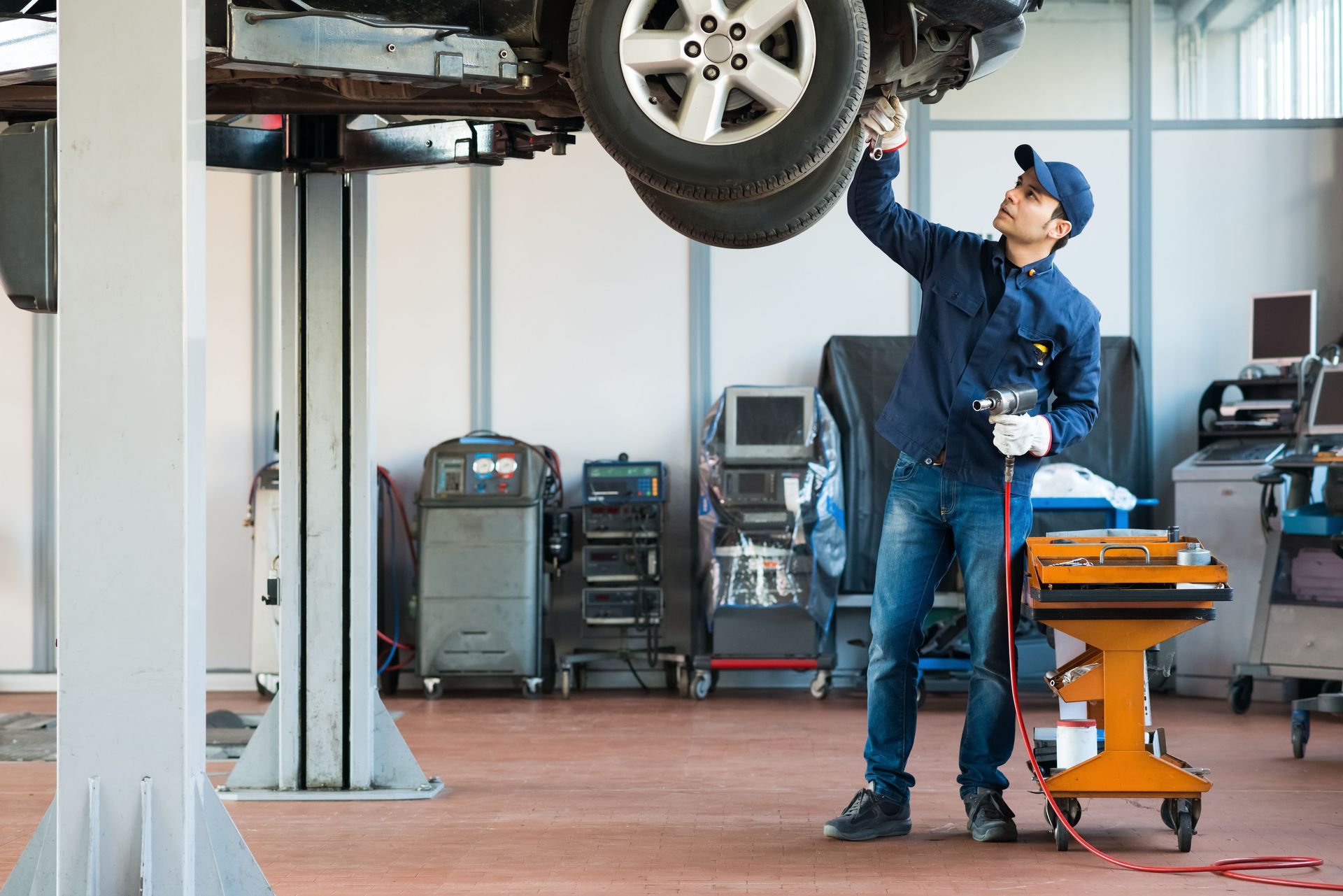
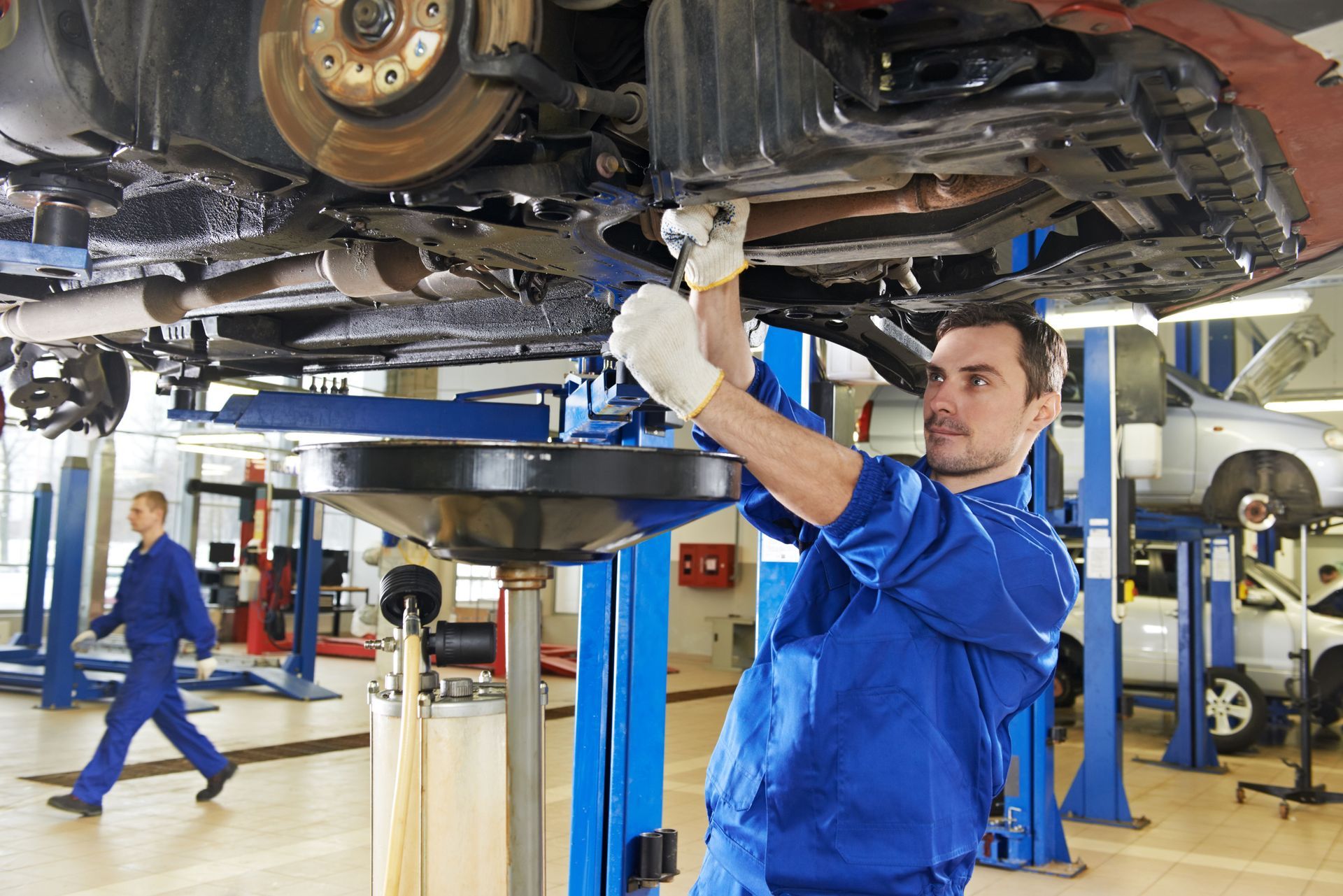
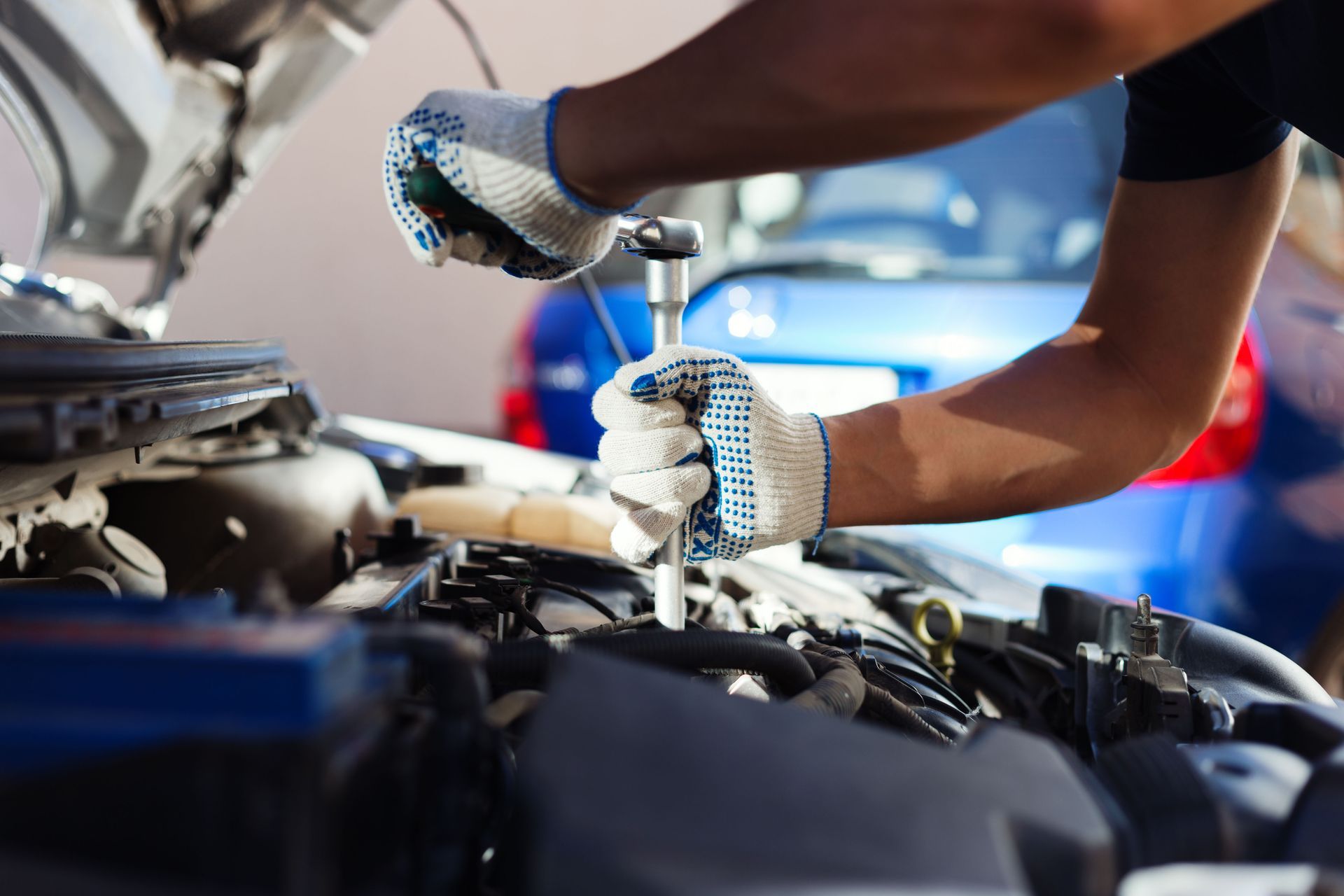
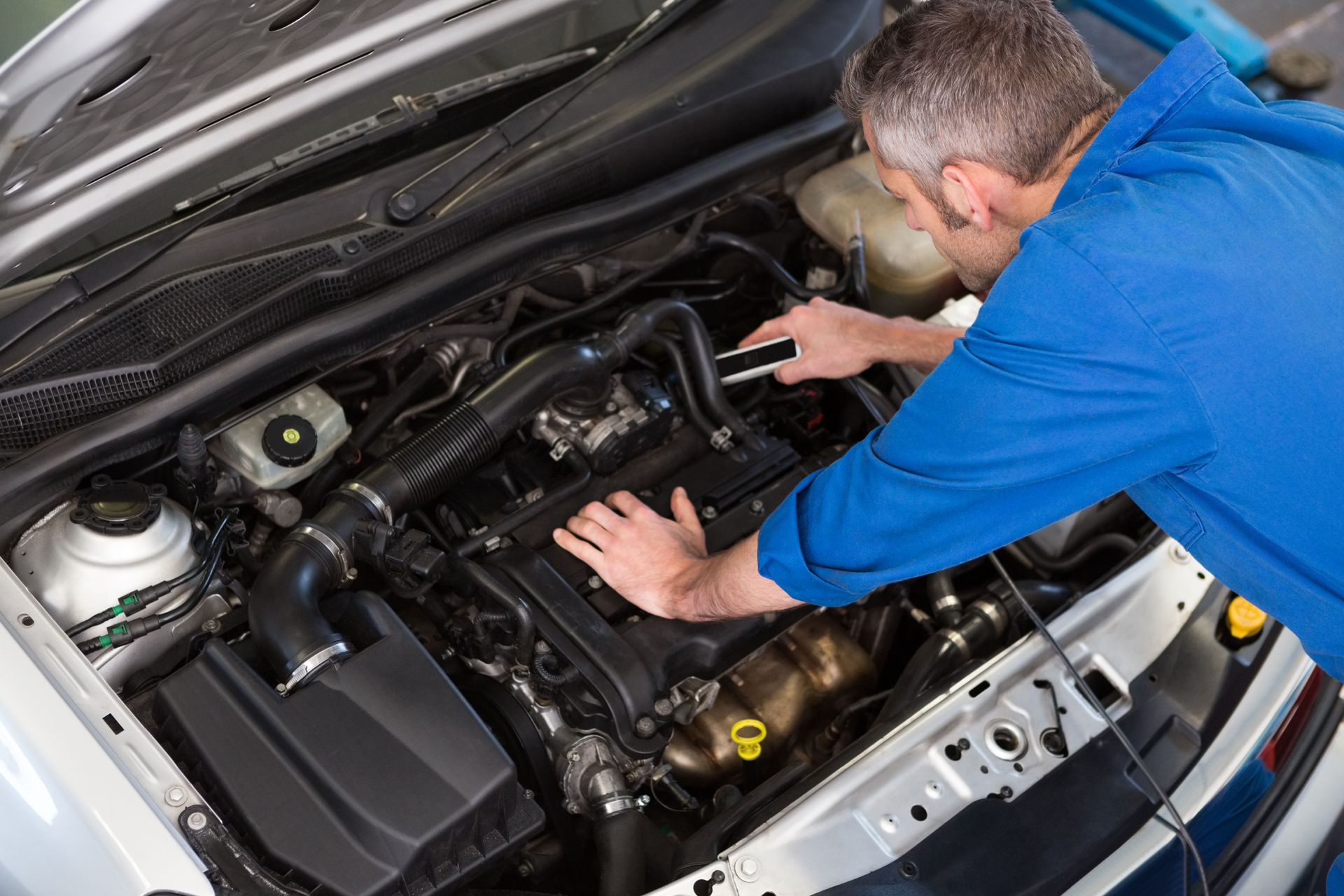
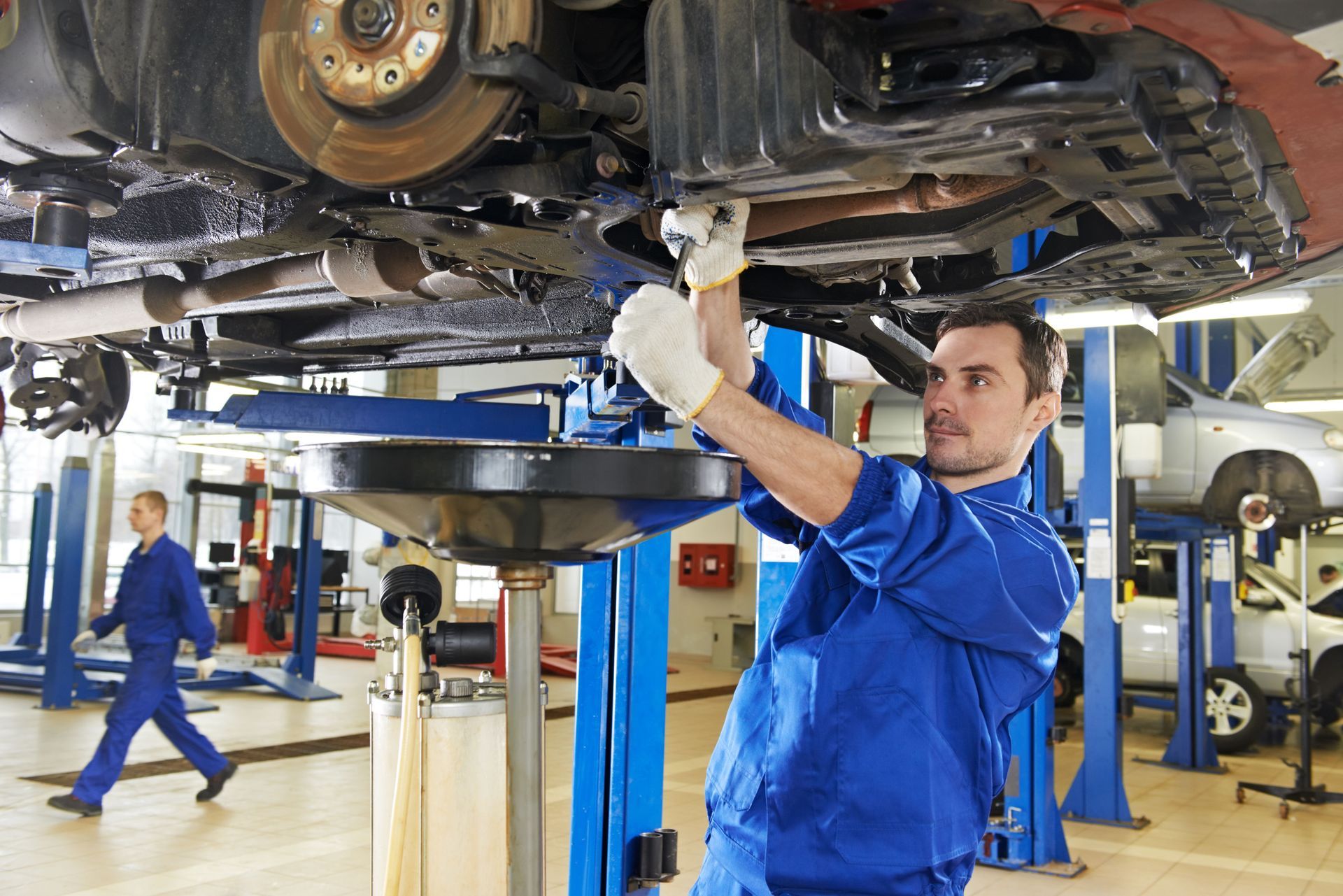
Routine maintenance from a professional auto repair shop is critical to keeping your braking system operating safely. Brake pad inspections allow mechanics to measure pad thickness, check for unusual wear patterns, and assess material integrity. These inspections identify issues early and prevent damage to rotors, calipers, and other components.
Brake pad replacements restore stopping power and prevent further damage to the braking system. Delaying replacement often results in more expensive repairs, including rotor resurfacing or a full brake system overhaul. Rotor and drum maintenance is equally important; warped or grooved rotors reduce braking efficiency and accelerate pad wear. Periodic rotor resurfacing or replacement ensures smooth braking and prolongs pad life.
Brake fluid checks and replacements are another vital service. Over time, moisture contamination and degradation lower fluid performance, reducing braking efficiency and potentially damaging hydraulic components. Auto repair professionals generally recommend replacing brake fluid every two years or according to manufacturer specifications.
Extending Brake Pad Life with Smart Habits
In addition to professional auto repair services, drivers can significantly extend brake pad life through everyday habits. Adopting gentle braking—slowing gradually, anticipating stops, and avoiding sudden braking—reduces friction and heat, which directly prolongs pad life. Since brake pad lifespan varies greatly, as noted by Capital One Auto Navigator, driving style plays a major role in durability.
Following routine maintenance schedules further supports pad longevity. Pairing brake checks with oil changes or tire rotations ensures issues are caught early. Performing basic self-inspections, such as measuring pad thickness or looking for visible wear, helps drivers detect problems before they require significant auto repair.
Managing vehicle weight also impacts brake performance. Overloading increases stress on pads and rotors, accelerating wear. Evenly distributing cargo and adhering to recommended weight limits helps maintain braking efficiency. Finally, acting promptly on warning signs prevents minor issues from escalating into major mechanical failures, saving money and protecting vehicle safety. Combining these habits with professional service maximizes pad life and reduces overall auto repair needs.
Choosing the Right Brake Pads
Selecting the appropriate brake pads requires careful consideration of driving habits, environmental conditions, budget, and performance expectations. Assessing driving patterns is crucial: frequent stop-and-go traffic demands pads that can handle constant friction, while drivers on steep or hilly terrain benefit from heat-resistant, high-performance pads.
Consulting with auto repair professionals ensures that pad selection is compatible with your vehicle and driving style. Mechanics can advise on material choices, installation techniques, and expected longevity. Comparing brands and materials is also important. Ceramic pads offer quiet, long-lasting performance; semi-metallic pads provide strength under stress; organic pads are softer but wear faster. Understanding these differences helps drivers make informed choices.
Maximizing Benefits of Brake Maintenance
Proper brake maintenance extends far beyond stopping power, providing safety, financial, and environmental benefits. Reducing emissions is one advantage; efficient brakes optimize engine load and fuel efficiency, while minimizing brake dust pollution, which affects both air quality and water systems.
Enhancing road safety is perhaps the most important benefit. Reliable brakes reduce accident risk, improve driver confidence, and ensure predictable stopping in emergencies. Properly maintained brakes also protect tires, suspension, and the engine, contributing to longer vehicle life and preserving resale value.
Saving money over time is another key benefit. Early detection and routine auto repair prevent major system failures, reducing costly emergency replacements or complete brake system overhauls. Finally, promoting a culture of safety benefits the wider community. Vehicle owners who prioritize regular brake checks set an example for responsible driving, creating safer roads for themselves and others.
Brake maintenance is essential for safety, performance, and long-term cost savings. Recognizing brake pad wear, responding to early warning signs, and relying on professional
auto repair services keep vehicles road-ready and safe. Coupling professional service with careful driving habits extends pad life, reduces repair expenses, and supports reliable vehicle performance. Schedule a professional brake inspection today with Streamline Auto and ensure your car stops safely, every time.