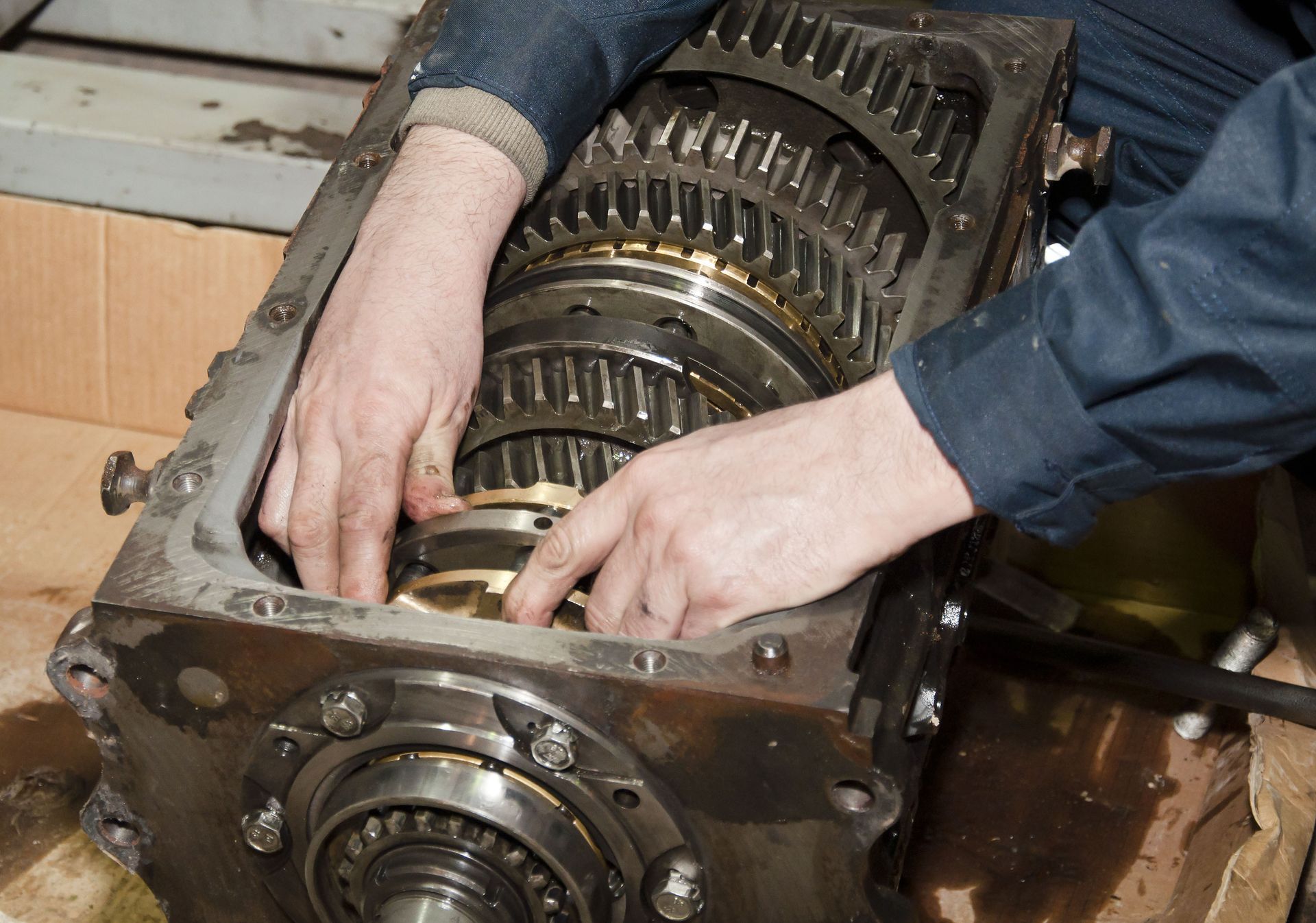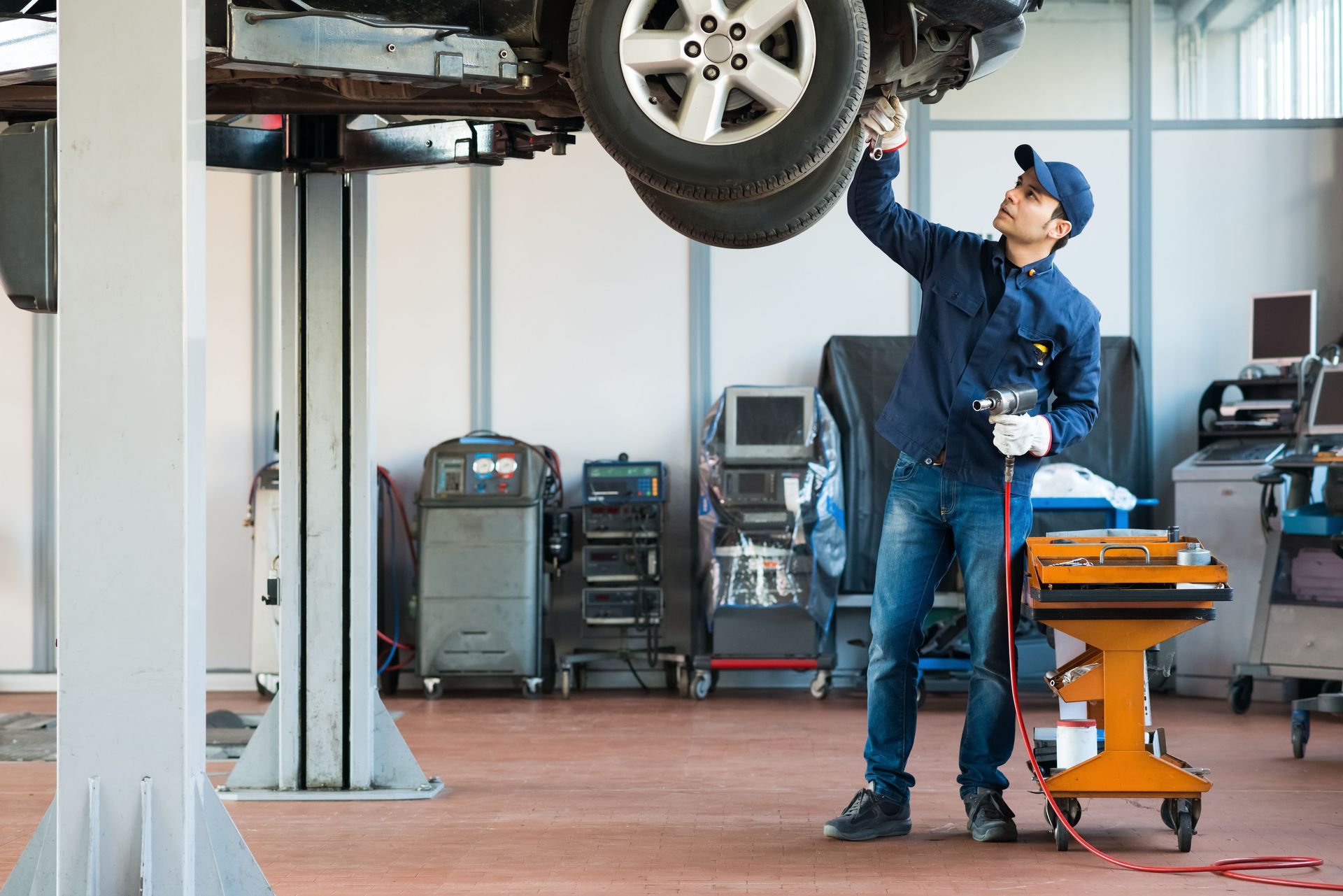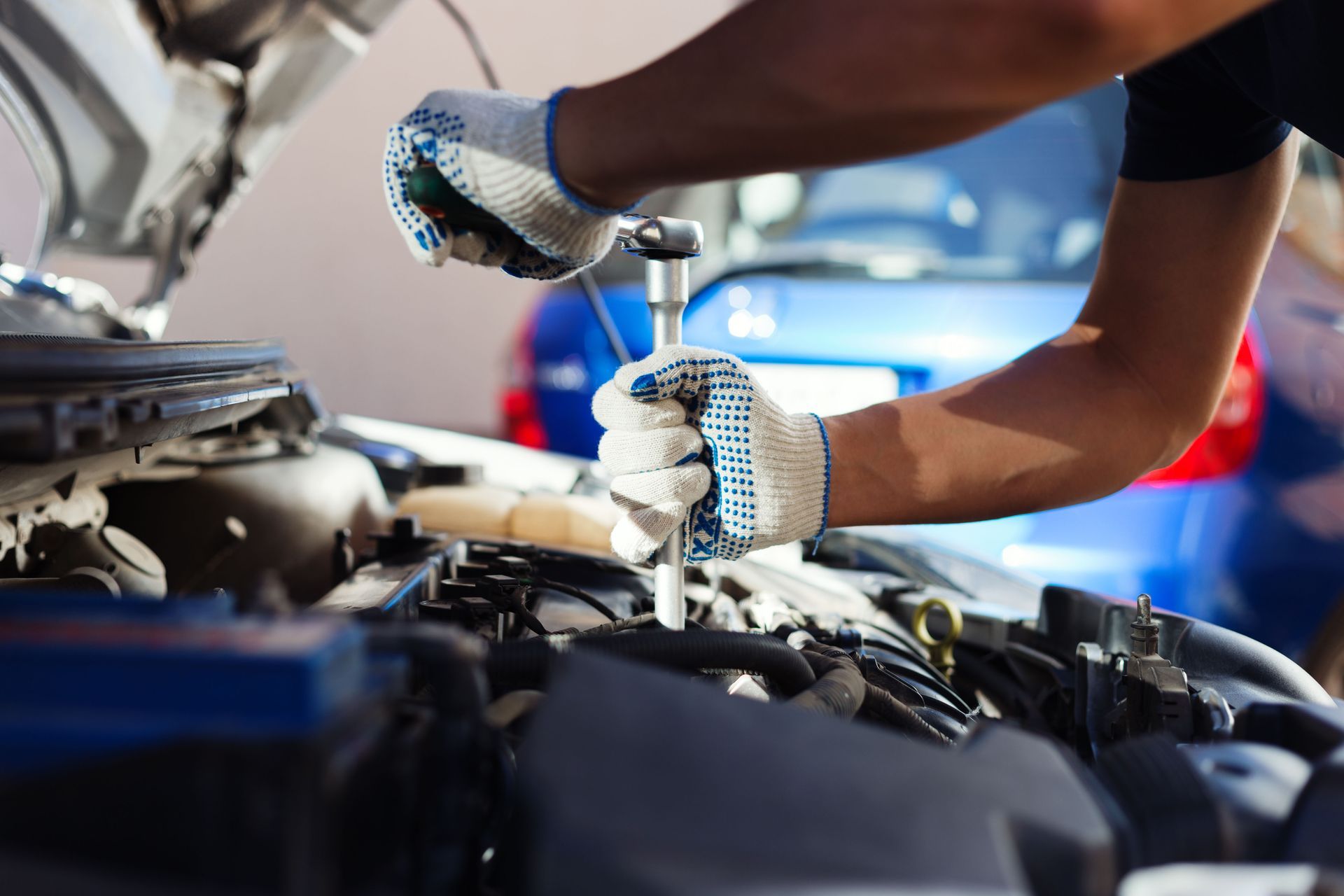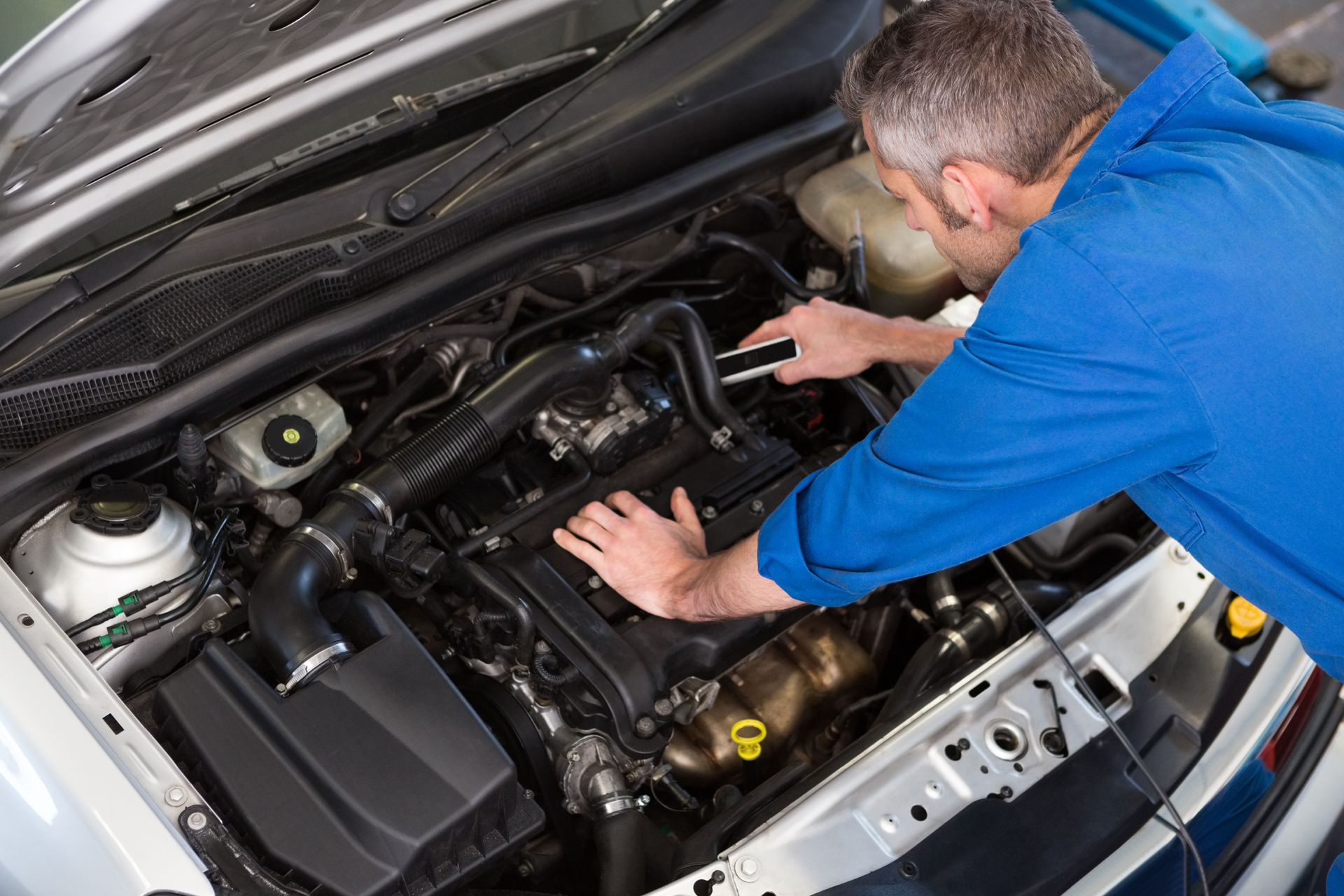
The transmission is arguably one of the most complex and critical components of your vehicle. It is responsible for transferring the power generated by your engine directly to your wheels, effectively controlling the speed and torque available to you while driving. Because it operates under high heat and intense mechanical pressure, it is subject to wear and tear over time. Recognizing the early warning signs of mechanical distress can mean the difference between a minor adjustment and an entirely new powertrain layout. Unfortunately, many motorists overlook minor performance changes until their vehicle leaves them stranded on the side of the highway. Seeking a qualified auto repair service at the first sign of trouble can save you thousands of dollars in catastrophic damage. In this article, we will explore the primary indicators that your transmission is beginning to deteriorate so you can take action before a total breakdown occurs.
Burning Smell From Under the Hood
A distinct, acrid burning smell emanating from your vehicle is an immediate red flag that should never be ignored. When this scent resembles burnt toast or hot rubber, it is frequently a sign that your transmission fluid is overheating. Transmission fluid plays a vital role in lubricating moving parts, maintaining hydraulic pressure, and cooling the entire system. Over time, as the fluid breaks down due to age or severe driving conditions, it loses its ability to manage friction. The components begin to grind together, raising the operating temperature to dangerous levels.
If you notice this odor after parking or while idling at a stoplight, it is imperative to visit a trusted auto repair service immediately. Driving with burnt or severely degraded fluid accelerates internal wear, scorching clutches and damaging delicate gears. According to Gitnux, about 20% of auto repairs are caused by improper maintenance or neglect. Checking your fluid levels regularly and replacing old fluid can easily prevent this type of severe thermal breakdown.
Delayed Engagement When Shifting
When you shift your vehicle out of park and into drive or reverse, the mechanical response should be virtually instantaneous. If you notice a prolonged pause—where the engine revs but the vehicle hesitates to move forward or backward—you are experiencing delayed engagement. This condition is a classic symptom of internal pressure loss within the transmission system. It often indicates that the internal fluid levels are dangerously low, or that the internal seals and gaskets have begun to harden and crack, leaking vital hydraulic pressure.
Delayed engagement is not just a minor inconvenience; it is a progressive issue that places immense stress on the internal clutch packs. As the system struggles to build enough hydraulic pressure to engage the desired gear, components rub against each other without adequate lockup. Over time, this delay will lengthen until the vehicle refuses to move at all. Having a professional technician inspect your vehicle at an auto repair service can pinpoint whether the delay is a simple fluid deficiency or a sign of a failing internal pump.
Strange Noises in Neutral
A healthy vehicle should idle relatively quietly, with only the smooth, rhythmic hum of the engine audible from the cabin. If you begin to hear unusual bumping, whirring, clicking, or buzzing sounds while your vehicle is parked or sitting in neutral, your transmission may be crying out for attention. In manual vehicles, a loud mechanical noise in neutral often points to a worn input shaft bearing or a failing release bearing. For automatic vehicles, these sounds are frequently tied to worn torque converters, clogged internal fluid filters, or failing internal planetary gear sets.
Ignoring these ambient noises can lead to sudden mechanical failures on the road. What starts as a faint hum can quickly transform into a catastrophic metal-on-metal grind. A certified technician at an auto repair service can use specialized diagnostic equipment to isolate the noise, determining if a simple fluid flush will resolve the issue or if internal bearings require immediate replacement.
Slipping Out of Gear
Perhaps one of the most frightening experiences a driver can encounter is transmission slipping. This occurs when you are accelerating or cruising smoothly, and the vehicle suddenly shifts out of its current gear into a lower gear, or into neutral altogether. The engine will suddenly rev loudly, but your vehicle will lose forward momentum and fail to accelerate. This indicates that the transmission can no longer hold the gear securely due to a lack of hydraulic pressure, worn-out friction bands, or failing solenoids.
Gear slipping is a severe safety hazard, especially when merging onto a busy highway or climbing a steep incline. It deprives you of predictable control over your vehicle, putting you and your passengers at risk. If your vehicle exhibits this unpredictable behavior, you must arrange a visit to a local auto repair service as soon as possible to prevent a dangerous driving emergency.
Leaking Fluid on the Driveway
Your vehicle relies on a variety of fluids to stay operational, but transmission fluid is easily identifiable by its distinct characteristics. Fresh fluid is typically a bright, translucent red or pink color with a slightly sweet smell. If you step outside and notice a puddle of dark red, brown, or black oily fluid on your driveway, you are likely dealing with a significant transmission leak. Common culprits for these leaks include worn pan gaskets, cracked fluid lines, or damaged drive shaft seals.
Because the transmission operates as a closed hydraulic loop, any loss of fluid directly undermines its ability to function. Low fluid levels lead to increased friction, overheating, and rapid mechanical degradation. Addressing a fluid leak early at a reputable auto repair service is often a straightforward, affordable fix that prevents the catastrophic internal meltdown caused by operating the system dry.
Hard or Jerky Shifting
The gear transitions in a modern automatic vehicle should feel smooth, seamless, and almost unnoticeable to the driver and passengers. If your vehicle jerks violently, thuds, or clunks during gear changes, something is fundamentally wrong with the shifting mechanism. This hard shifting can feel as though the vehicle is being struck from behind, or it may present itself as a harsh hesitation followed by a sudden, jarring lurch forward.
Hard shifting is frequently caused by failing electronic control solenoids, which regulate the flow of fluid to change gears, or it can be a sign of advanced mechanical wear within the clutch packs. When shifts become violent, it sends shockwaves through the entire drivetrain, potentially damaging motor mounts and axles. Entrusting your vehicle to a specialized auto repair service ensures that the electronic diagnostics and mechanical checks are handled accurately before the drivetrain sustains permanent structural damage.
Unfamiliar Grinding or Shaking
The physical sensations your vehicle transmits through the steering wheel and floorboards offer valuable insight into its mechanical health. In a manual transmission vehicle, a distinct grinding sensation when you depress the clutch and shift gears typically means the clutch disc is worn out, or the synchronizers within the gearbox are failing. In an automatic vehicle, a failing transmission will often manifest as a persistent shaking, shuddering, or vibration that intensifies as the vehicle accelerates or climbs hills.
These physical vibrations indicate that the internal components are no longer aligning properly or that the torque converter is failing to lock up correctly. Driving a vehicle that actively shakes or grinds will rapidly destroy the remaining internal components. Prompt inspection at an auto repair service is vital to catch these alignment and friction issues before they require a complete overhaul or replacement.
If your vehicle is exhibiting any of these concerning symptoms, do not wait for the problem to resolve itself. Contact Streamline Auto today to schedule a comprehensive diagnostic inspection and restore your peace of mind on the road.