Preparing for an extended highway journey requires thorough planning and a comprehensive evaluation of your vehicle to ensure maximum safety, overall performance, and unwavering reliability throughout the trip. Driving long distances places significant stress on various mechanical systems, turning minor existing issues into major breakdowns if they are left unaddressed before departure. Taking the time to perform systematic inspections allows drivers to identify potential mechanical vulnerabilities, prevent unexpected roadside emergencies, and maintain complete peace of mind while traveling far from home. A well-prepared automobile consumes fuel far more efficiently, responds predictably during sudden emergency maneuvering, and protects passengers against avoidable hazards encountered on remote stretches of highway. By establishing a rigorous pre-trip inspection routine and addressing necessary auto repairs early, motorists can enjoy a smooth, safe, and completely uninterrupted driving experience from start to finish.
1. Inspecting Vital Vehicle Fluid Levels
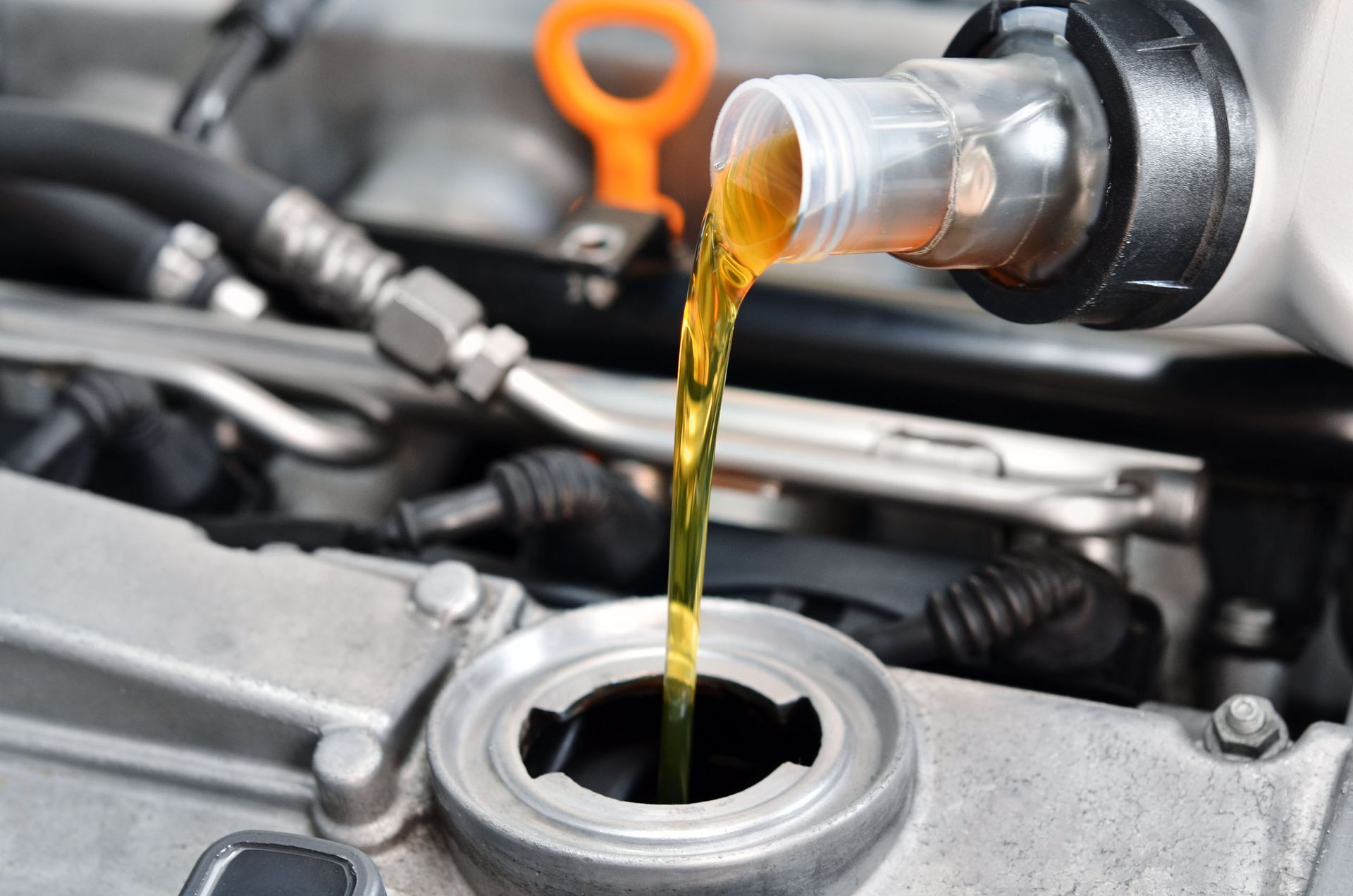
Maintaining appropriate levels of fresh engine fluids is vital for protecting core mechanical components against excessive friction, destructive thermal breakdown, and premature component failure. Before embarking on an extended driving journey, motorists should carefully examine the engine oil, transmission fluid, radiator coolant, power steering fluid, and windshield washer reservoir. Low or contaminated fluids severely compromise engine cooling and internal lubrication, increasing the likelihood of sudden overheating during prolonged periods of high-speed highway travel. Identifying depleted or discolored fluids early allows vehicle owners to schedule timely auto repairs and comprehensive fluid flushes before setting out on the open road.
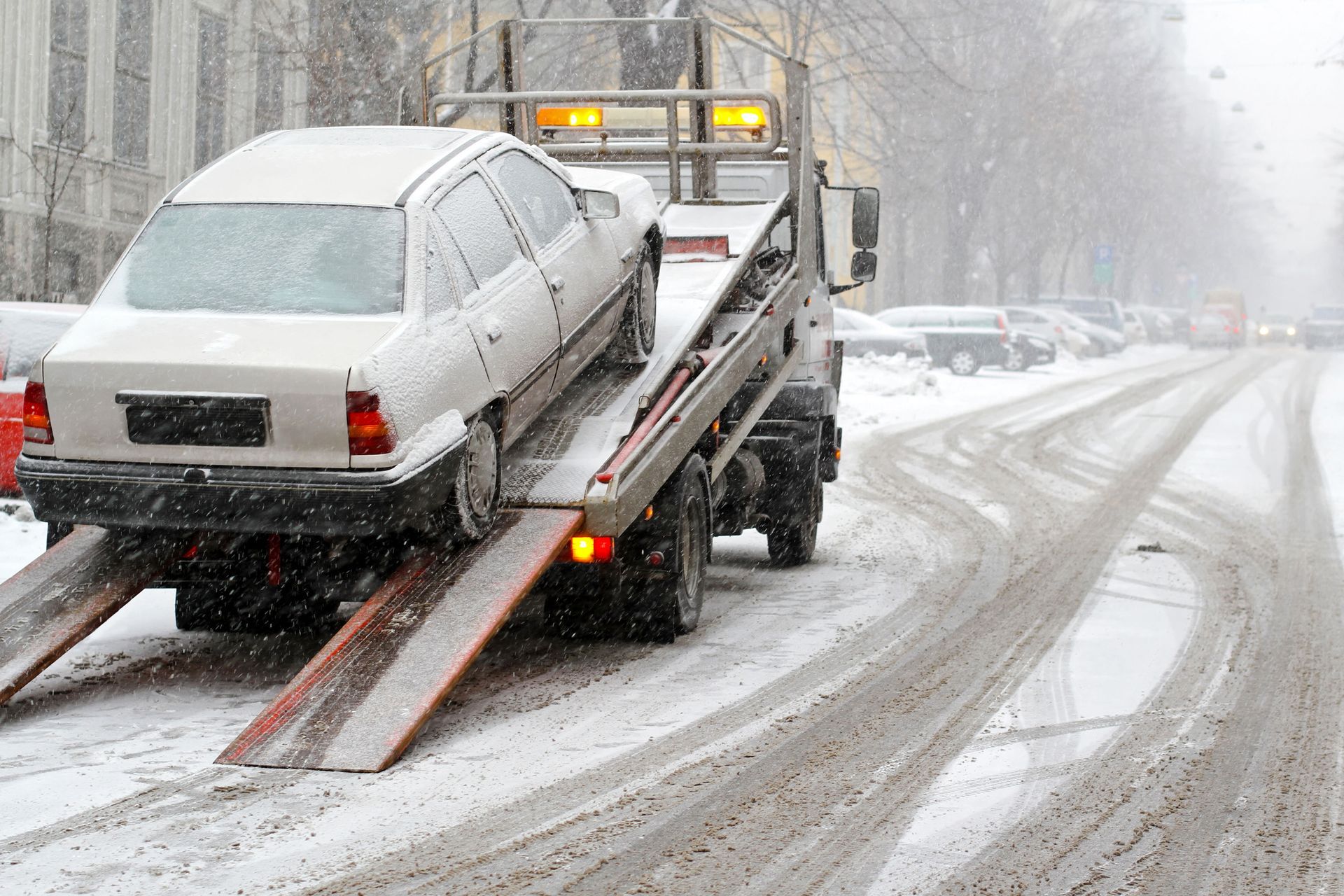
Additionally, inspecting fluid reservoirs provides clear visual indicators regarding potential internal or external leaks within the engine compartment. Fluid drips beneath the parked vehicle or crusty residue around rubber hose connections suggests deteriorating gaskets, cracked lines, or failing seals that require immediate professional attention. Ignoring minor fluid loss before a major trip can lead to severe engine damage, leaving travelers stranded in unfamiliar areas waiting for costly emergency towing services. Ensuring all fluid levels meet exact manufacturer specifications helps preserve mechanical longevity, maintains smooth gear shifting, and safeguards the vehicle against thermal stress during long drives across the country.
2. Testing Critical Braking System Components
A fully responsive braking system is essential for maintaining total vehicle control and ensuring passenger safety during unexpected traffic slowdowns or sudden emergency stops on busy highways. Over time, brake pads, metal rotors, hydraulic calipers, and brake lines experience continuous wear from heat generation and heavy friction, gradually reducing overall stopping effectiveness. Drivers should listen attentively for high-pitched squealing, harsh metal grinding noises, or unusual pedal vibrations when applying the brakes during routine daily driving. Addressing compromised brake components through professional auto repairs prior to departure guarantees reliable stopping power when navigating steep mountain passes, heavy rain, or sudden highway congestion.
Furthermore, examining the physical thickness of friction pads and the smooth surface condition of rotors helps prevent catastrophic system failures during extended travel. Thin friction material forces metal backing plates directly against rotors, causing severe scoring, excessive heat accumulation, and increased stopping distances that jeopardize highway safety. Checking hydraulic brake lines for cracks, soft spots, or subtle fluid seepage ensures that hydraulic pressure remains completely consistent throughout the entire journey. Taking proactive measures to maintain braking integrity gives motorists immense confidence, knowing their vehicle will stop predictably and safely whenever unexpected hazards arise on the road.
3. Evaluating Tire Condition and Pressure
Tires serve as the sole contact point between your vehicle and the physical roadway, making their structural condition and inflation levels critical factors in overall driving stability. Driving on underinflated or excessively worn tires increases rolling resistance, reduces fuel efficiency, and elevates the risk of dangerous tread separation or sudden high-speed blowouts. Before starting a long highway journey, vehicle owners should measure tire inflation pressure when the rubber is cool, adjusting levels to match recommendations listed on the driver-side door jamb. Proper inflation ensures uniform tread wear, optimal traction, and precise steering response across varying road surfaces.
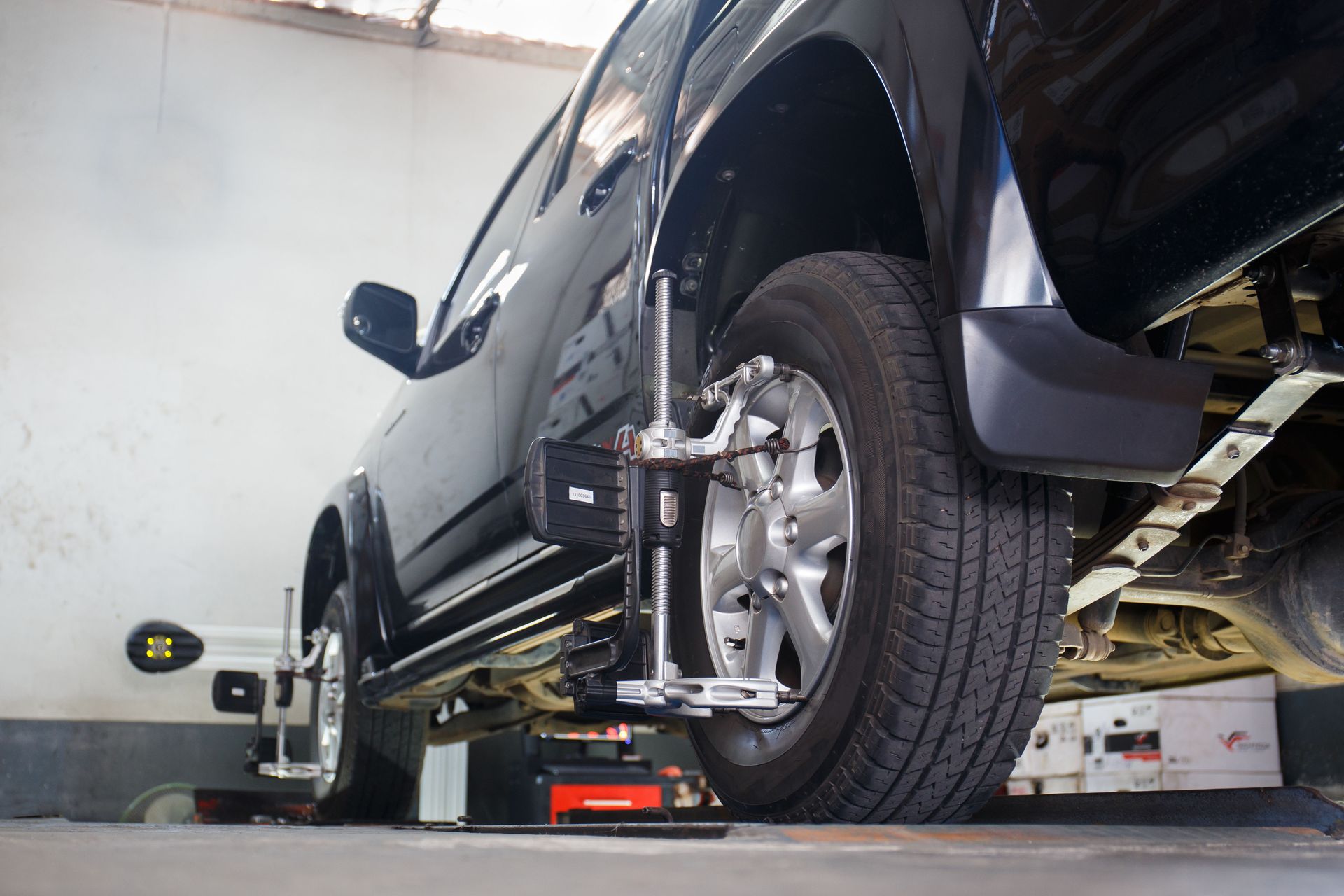
In addition to monitoring inflation pressure, inspecting tread depth and searching for uneven wear patterns reveals underlying wheel alignment or suspension problems. Tires with shallow tread struggle to channel water away effectively, significantly increasing the risk of dangerous hydroplaning during sudden heavy rainstorms. If visual inspection reveals bulges, embedded road debris, deep sidewall cracks, or severe inner edge wear, drivers should arrange immediate auto repairs and wheel realignments before traveling long distances. Remembering to check the condition and inflation pressure of the spare tire ensures that you remain fully prepared for unexpected roadside flat tires.
4. Checking Essential Engine Drive Belts
Engine drive belts play a pivotal role in powering vital peripheral components, including the electrical alternator, water pump, power steering pump, and air conditioning compressor. Over extensive operating periods, rubber drive belts dry out, stretch, and develop surface cracks due to continuous exposure to extreme heat and friction under the hood. A snapped accessory belt immediately halts electrical charging and engine cooling, resulting in rapid engine overheating and total loss of power steering assistance. Performing a thorough visual inspection of all visible belts helps identify fraying edges or missing rib segments that indicate an impending mechanical failure.
Internal engine components also rely heavily on precise mechanical synchronization provided by timing belts or timing chains during continuous operation. According to AAA, most auto manufacturers recommend having the timing belt replaced on your vehicle somewhere between 60,000 and 100,000 miles. Neglecting this vital maintenance task can lead to catastrophic internal engine damage if the belt fails while driving at elevated highway speeds. Partnering with a trusted facility to complete scheduled auto repairs ensures that aging drive belts and timing components are replaced before embarking on long-distance highway trips.
5. Verifying Exterior Vehicle Lighting Operations
Functional exterior illumination is crucial for maintaining clear forward visibility and communicating driving intentions to other motorists during nighttime travel or adverse weather conditions. Before embarking on a long journey, drivers should conduct a comprehensive walkaround inspection to verify that headlights, high beams, brake lights, turn signals, hazard lights, and reverse lights function properly. Dim or burnt-out bulbs obscure vision on unlit rural highways and prevent trailing drivers from anticipating sudden stops or lane changes. Replacing malfunctioning bulbs and cleaning cloudy headlight lenses restores optimal illumination, dramatically enhancing nighttime driving safety for everyone.
Moreover, verifying that exterior signal lights operate correctly helps drivers avoid unnecessary traffic citations and potential collisions while navigating unfamiliar roadways. Electrical issues, blown fuses, or oxidized wiring sockets can cause intermittent lighting failures that compromise vehicle safety without the driver immediately realizing it. Resolving complex electrical glitches through specialized auto repairs ensures that all illumination systems operate reliably under continuous use. Ensuring full visibility and proper signaling capability protects everyone on the road, allowing you to navigate highway traffic with maximum security, comfort, and peace of mind.
Taking proactive steps to inspect key mechanical systems before departing on an extended journey is the single best investment you can make in your travel safety and overall driving satisfaction. Thoroughly evaluating fluid levels, braking performance, tire health, drive belts, and exterior illumination prevents frustrating roadside breakdowns, protects your financial budget, and keeps your travel plans firmly on schedule. By addressing minor wear and mechanical flaws before hitting the highway, you gain total peace of mind knowing your vehicle is fully capable of handling long distances. For expert pre-trip inspections, dependable maintenance, and top-quality automotive service tailored to your upcoming journey, please reach out to Streamline Auto.