Wheel alignment plays an important role in how a vehicle handles, how its tires wear, and how confidently it responds to steering input. When alignment angles move outside their intended specifications, tires may develop uneven wear while the vehicle can begin pulling or feeling less stable. Professional alignment evaluation can be appropriate when drivers notice changes in handling or when routine maintenance indicates that an inspection is warranted. Addressing alignment concerns can help protect the tires and support more predictable vehicle performance.
Recognizing Uneven Tire Wear
One of the most visible signs of an alignment problem is uneven wear across the tire tread. Instead of wearing at a consistent rate, a tire may develop more wear along one edge or show irregular patterns across its surface. These changes can indicate that the wheel is not contacting the road as intended. An auto repair service can inspect the tires and determine whether alignment or another suspension-related concern may be contributing to the pattern.
Uneven wear matters because tires depend on consistent contact with the road to perform effectively. When alignment is incorrect, certain sections of the tread can experience more friction and pressure than others. Over time, this can reduce the useful life of the tire and create an avoidable replacement expense. Professional evaluation can identify the issue before wear becomes more pronounced.
Maintaining Steering Control
A properly aligned vehicle should travel in a predictable direction when the driver is maintaining a steady steering position. If the vehicle consistently pulls toward one side, alignment may be one possible cause. Drivers may also notice that the steering wheel does not appear centered while traveling on a relatively straight road. An auto repair service can measure the vehicle's alignment angles and compare them with manufacturer specifications.
Steering behavior can change gradually, which means drivers may become accustomed to a vehicle that is not operating as it should. A subtle pull or altered steering response may seem minor at first, but it can indicate a condition that deserves professional attention. Evaluating alignment can help determine whether the steering concern is related to wheel angles, suspension components, tire condition, or another factor.
Protecting Tire Investment
Tires represent a significant part of vehicle maintenance, and premature wear can shorten the time they remain useful. When alignment is incorrect, the tread can wear unevenly even when the tires are otherwise in good condition. An auto repair service can evaluate alignment as part of a broader tire and steering assessment, helping identify conditions that may contribute to unnecessary wear.
Protecting the investment in a set of tires involves more than monitoring tread depth. Consistent wear across the tread can help tires remain usable according to their condition and service requirements. When an alignment issue is addressed appropriately, the tires can have a better opportunity to wear more evenly. This makes alignment an important consideration for maintaining the condition of the vehicle's tires.
Supporting Suspension Performance
Wheel alignment is closely connected to the vehicle's suspension and steering systems. Alignment angles describe how the wheels are positioned in relation to one another and the road, while suspension components help maintain those positions as the vehicle moves. If a component becomes worn or damaged, alignment may change or become difficult to maintain. An auto repair service can inspect related components when an alignment problem is identified.
This broader evaluation is important because an alignment measurement alone may not explain why the angles have changed. Worn steering or suspension parts can affect how the vehicle responds and may need attention before alignment can be properly established. Professional inspection helps distinguish between an alignment adjustment and an underlying mechanical concern.
Responding After Road Impacts
Potholes, curbs, rough pavement, and other road impacts can affect wheel alignment. Even when a vehicle does not show immediate visible damage, an impact can alter wheel angles or affect suspension components. Drivers who notice new steering behavior after hitting a significant road irregularity may benefit from professional evaluation. An auto repair service can inspect the vehicle and determine whether the impact affected alignment or related components.
Road conditions vary throughout the year, and repeated impacts can contribute to gradual changes in a vehicle's handling. A driver may notice the steering wheel becoming less centered or the vehicle drifting differently after a period of rough driving. Having the vehicle evaluated when these changes appear can help identify potential alignment concerns before they contribute to extensive tire wear.
Following Appropriate Service Intervals
Alignment does not necessarily need to be performed at exactly the same interval for every vehicle because driving conditions, vehicle design, tire condition, and road exposure can vary. According to AutoZone, a general guideline is that many vehicles benefit from wheel alignment approximately every 12,000 to 15,000 miles or about once per year. This guideline provides a useful reference, while vehicle-specific recommendations and actual driving conditions should also be considered.
Regular service intervals can make alignment part of a broader maintenance routine rather than something addressed only after noticeable problems develop. An auto repair service can evaluate the vehicle during scheduled maintenance and determine whether an alignment check is appropriate. Combining routine inspections with attention to changes in handling can help drivers stay aware of developing concerns.
Improving Driving Stability
Proper alignment contributes to predictable vehicle behavior during ordinary driving. When the wheels are positioned according to the vehicle manufacturer's specifications, the steering system can operate within its intended geometry. This can help the vehicle maintain a more consistent path and provide a more natural steering response. An auto repair service can verify alignment measurements when handling changes suggest that the vehicle may need attention.
Stability is particularly important during situations that require consistent steering input. Drivers may notice alignment-related problems more clearly when traveling on highways, navigating curves, or maintaining a straight path over longer distances. Professional evaluation can help determine whether alignment is affecting the vehicle's behavior or whether another component should be examined.
Addressing Alignment Warning Signs
Drivers do not have to wait for severe tire wear before seeking an alignment evaluation. Warning signs can include a vehicle pulling to one side, an off-center steering wheel, unusual tread wear, or changes in steering response. An auto repair service can assess these symptoms and identify whether alignment is contributing to the problem. Early evaluation can help clarify the issue while the tire condition can still be assessed.
Paying attention to changes in vehicle behavior can also provide useful information for technicians. Drivers can describe when a symptom began, whether it occurs consistently, and whether it appeared after a road impact or tire service. This context can help direct the inspection toward relevant systems. Professional diagnosis can then determine the appropriate service based on the vehicle's actual condition.
Planning Professional Alignment Care
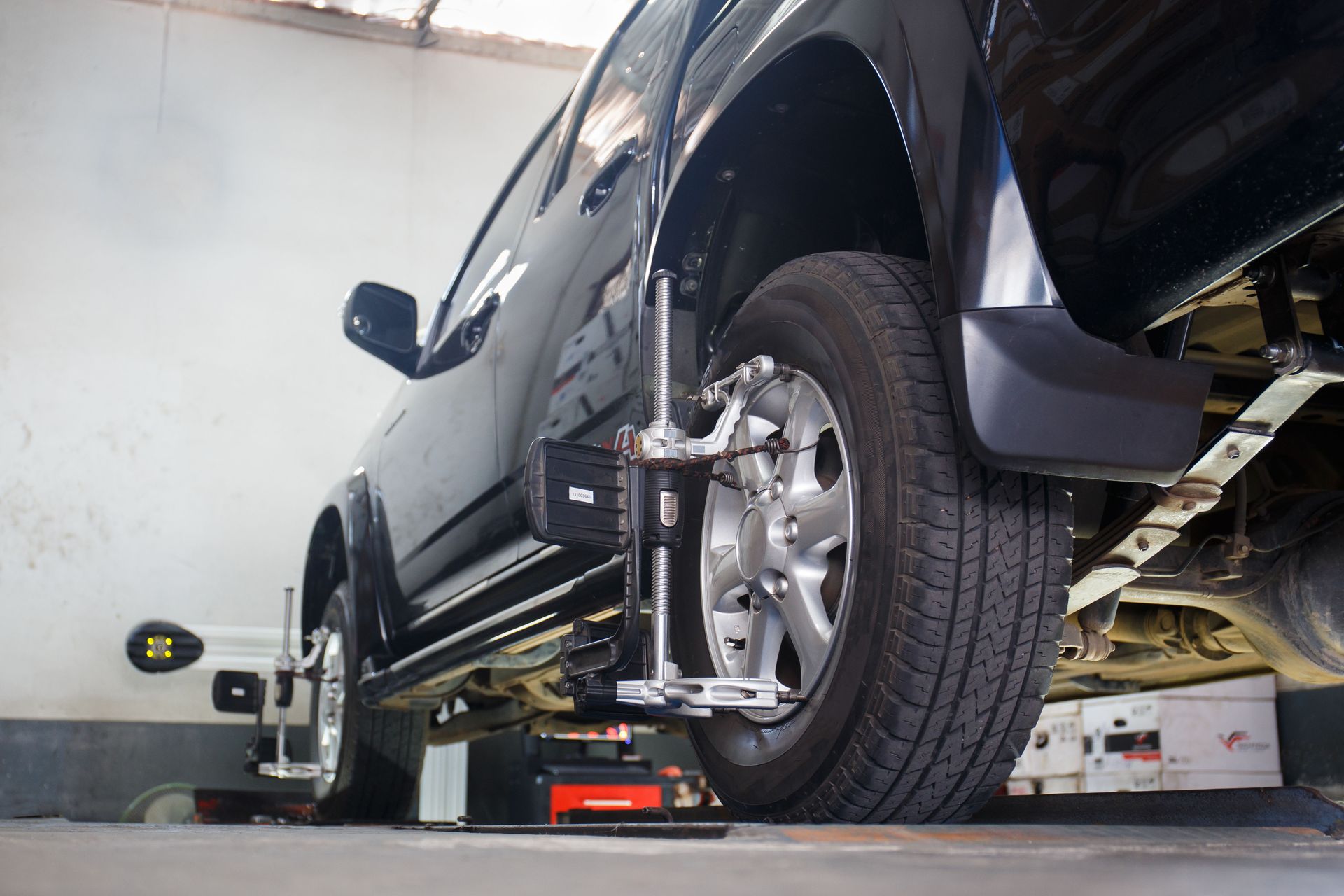
Wheel alignment is a relatively specialized service that requires appropriate measuring equipment and knowledge of vehicle specifications. Professional technicians can use alignment equipment to measure the relevant angles and identify differences from the manufacturer's intended settings. An
auto repair service can also consider tire condition, suspension components, steering behavior, and recent road impacts when evaluating the vehicle.
Streamline Auto can help drivers address wheel alignment concerns as part of comprehensive vehicle maintenance. Our team can evaluate steering and tire-related symptoms, perform appropriate inspections, and discuss the services your vehicle may need based on its condition. Contact Streamline Auto to schedule professional auto care and help protect your tires through timely, knowledgeable alignment service. Our team can help keep alignment concerns from becoming unnecessary tire wear.