The harsh and unpredictable Ohio winters can have a significant impact on vehicles. From icy roads to sub-zero temperatures, the challenges posed by winter in Ohio are multifaceted. This article explores the various ways in which these conditions affect vehicles and offers insights into preventive measures. With vehicles on the road averaging 12.6 years in age, a record high according to AutoLeap, local auto repair shops emphasize that protecting these older vehicles from winter wear and tear is crucial. Understanding and addressing these seasonal vulnerabilities can extend vehicle lifespan and ensure reliable performance in adverse conditions.
The Impact of Road Salt on Vehicle Bodies
Winter road maintenance often includes the use of road salt to prevent ice formation, making driving safer. However, while road salt is effective in combating icy roads, it can be detrimental to vehicle bodies. Over time, salt can lead to corrosion and rust formation, particularly affecting the undercarriage and body panels of a vehicle. Left unchecked, this rust can compromise essential components and result in costly visits to auto repair shops down the line.
Corrosion begins when salt, mixed with moisture and oxygen, forms an electrolyte that accelerates the rusting process. This can be a problem for vehicles over a decade old, which are more susceptible due to potential pre-existing surface vulnerabilities. The long-term damage from rust includes not just aesthetic decline but also structural weakening, which might compromise vehicle safety.
To combat this, regular maintenance practices such as frequent vehicle washes, particularly after snowstorms, can help minimize salt damage. Applying a protective wax coat and using anti-corrosion sprays can offer additional defense. Technicians at auto repair shops often recommend undercarriage treatments prior to winter to protect these overlooked sections.
The Effects of Cold Temperatures on Engine Performance
Ohio's cold winters pose challenges to engine performance, often manifesting in cold start issues and battery drain. As temperatures drop, engine oil thickens, leading to increased drag on engine parts during starts. Cold engines require more energy, thereby taxing vehicle batteries, which are already less efficient in lower temperatures.
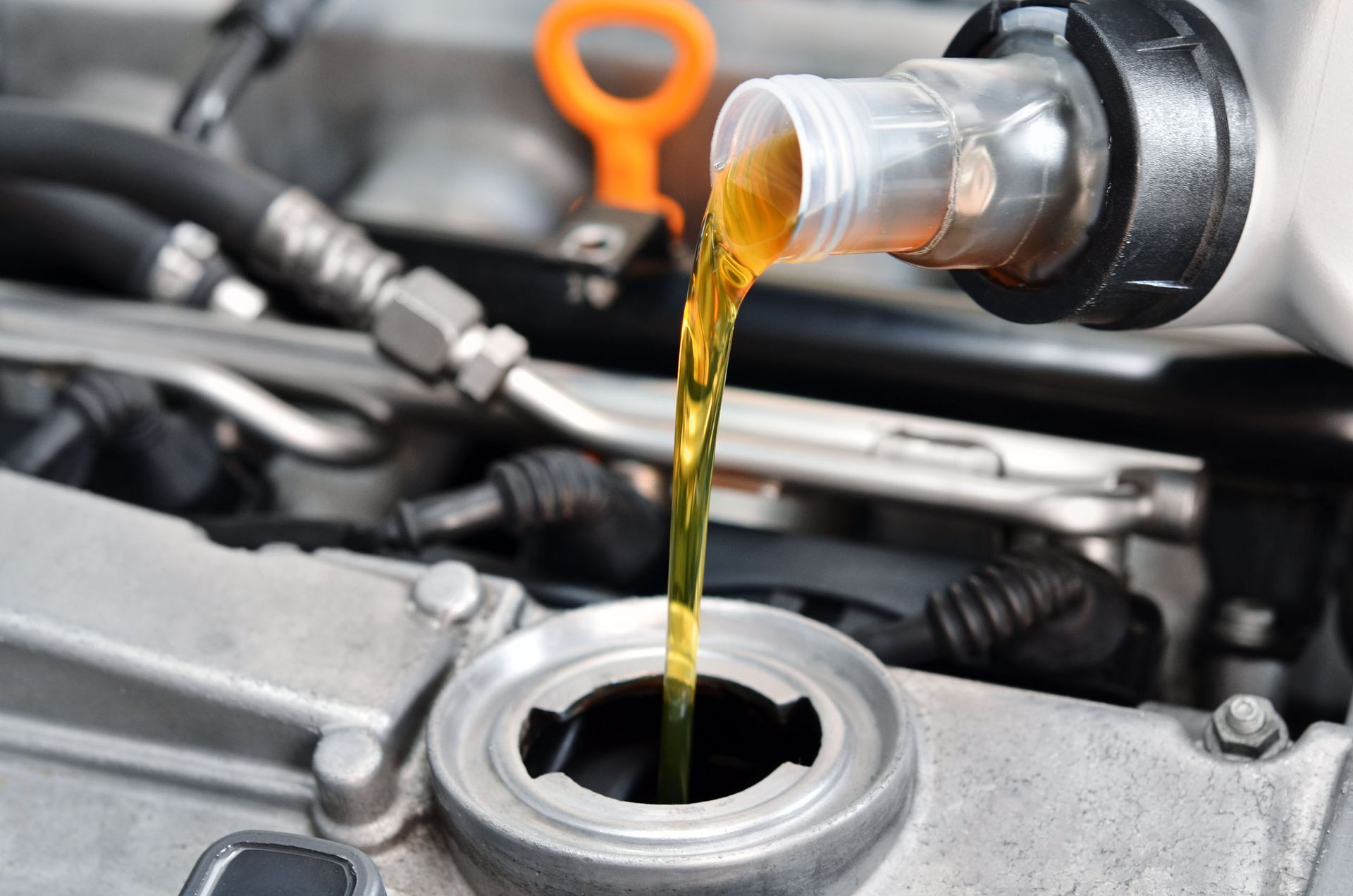
Older vehicles, particularly those nearing the national average age of 12.6 years, are at a heightened risk for winter-related engine issues. Thicker oil reduces the efficiency of lubrication, leading to potential internal engine wear over time. Trusted auto repair shops advise drivers to utilize appropriate winter-grade oil and ensure the battery is in optimal condition before winter sets in.
Beyond oil, antifreeze plays a pivotal role in engine protection against the cold. Ensuring a proper mix of antifreeze and water is essential to prevent engine block damage, which can occur if the coolant freezes. Regular vehicle check-ups at local auto repair shops and preemptive engine winterization can improve cold start performance and preserve engine health.
The Challenges of Tire Wear and Maintenance
Winter conditions significantly influence tire wear and maintenance. Temperature fluctuations can cause tire pressure to drop, affecting both safety and fuel efficiency. Regularly checking and maintaining the recommended tire pressure is a straightforward yet essential practice during cold months.
Winter tires offer superior traction on slippery roads, reducing tread wear and enhancing vehicle control. These specialized tires are designed to remain flexible in cold conditions, unlike all-season tires that can harden and lose grip. In our experience, the average vehicle age is 12.6 years; investing in winter tires through reputable auto repair shops can be prudent, offsetting potential repair costs due to accidents from poor road grip.
Rotating tires regularly ensures even wear across all four tires, extending their lifespan and maintaining optimal performance. Additionally, vehicle owners should inspect for cracks or damage on tire sidewalls, which can occur more frequently as tires age. A proactive approach to tire maintenance can ensure safer winter driving and prolong tire life.
The Challenges With Vehicle Heating Systems
Cold weather in Ohio can reveal or exacerbate issues in vehicle heating systems. Commonly, drivers experience heater malfunctions that leave cabins uncomfortably cold. A prevalent issue is the delayed response of the heating system, which takes longer to warm up in freezing temperatures. Checking thermostat functionality and flushing old engine coolant can help restore optimal cabin warming performance.
Defroster inefficiencies can also plague drivers, leading to impaired visibility from foggy or frosted windshields. This is often due to reduced engine heat output, aligning with issues in older vehicles that may not sustain consistent warm air circulation. Diagnosing heater core issues early at experienced auto repair shops can prevent complete heating system failures. Routine inspections of blower motors and cabin air filters also ensure steady airflow when clearing icy glass.
Proper maintenance of the heating system involves examining engine coolant levels and ensuring no blockages in the heater core. Keeping these systems in check is critical, especially in vehicles that have seen a decade of use and mileage. Simple strategies like using engine block heaters overnight can significantly elevate comfort levels for morning commutes.
The Strain on Electrical Systems During Winter
Cold weather brings unique challenges to a vehicle's electrical system, starting with the battery. Freezing temperatures can substantially lower battery capacity, compounding starting issues further exacerbated by age. Most car batteries last between three and five years, and those in older vehicles are particularly prone to winter failures. Visiting reliable auto repair shops for a battery health test before the peak of winter can help identify declining voltage before you get stranded.
Additionally, the alternator must work harder in the winter, running ancillaries like heater fans, headlights, and defrosters at higher settings. This increased demand can reveal weaknesses in an alternator, leading to diminished performance and potential failure. Routine electrical system checks ensure all charging components can reliably sustain the extra winter load.
Maintaining reliable connections is essential; cold impacts wiring and connectors, sometimes causing expansions and contractions that can result in loose or disconnected wiring. To ensure smooth engine starts and electrical system operations, employing block heaters and conducting pre-winter inspections are recommended. Attention to these details enhances vehicle dependability in harsh conditions.
The Issues With Visibility and Solutions
Visibility issues are a significant concern during Ohio winters. Ice and snow accumulation on windshields can quickly obstruct driver views, necessitating effective use of windshield wipers and fluid. Dealing with frozen or clogged washer nozzles requires using special washer fluids that resist freezing. Replacing worn wiper blades before winter hits ensures a clean, streak-free sweep when clearing heavy slush.
In snowy or foggy conditions, headlight performance can decrease, impacting both driver visibility and how visible the vehicle is to others. Ensuring headlights are clean and adequately aimed prevents these issues, with regular checks advised, especially for older vehicles with potentially degraded lens clarity. Consider consulting professional auto repair shops about upgrading to more advanced headlight technologies if driving conditions often compromise visibility.
Interior window fogging is another common winter problem, often resulting from cold weather mixed with damp interiors. Ensuring proper ventilation, such as using air conditioning briefly to dehumidify interior air, can help mitigate this. Regular maintenance of window seals prevents moisture intrusion, supporting clear visibility and comfort during drives.
Ohio winters pose numerous challenges for vehicles, but with informed precautionary measures, the impact can be mitigated. Regular maintenance, winter-specific preparations, and proactive solutions are key to ensuring vehicle longevity and reliability. With vehicles being older than ever on the roads, partnering with dependable auto repair shops allows vehicle owners to better prepare for and navigate the demanding winter months in Ohio, enjoying safe and stress-free driving experiences. Reach out to us at Streamline Auto today to schedule your appointment.