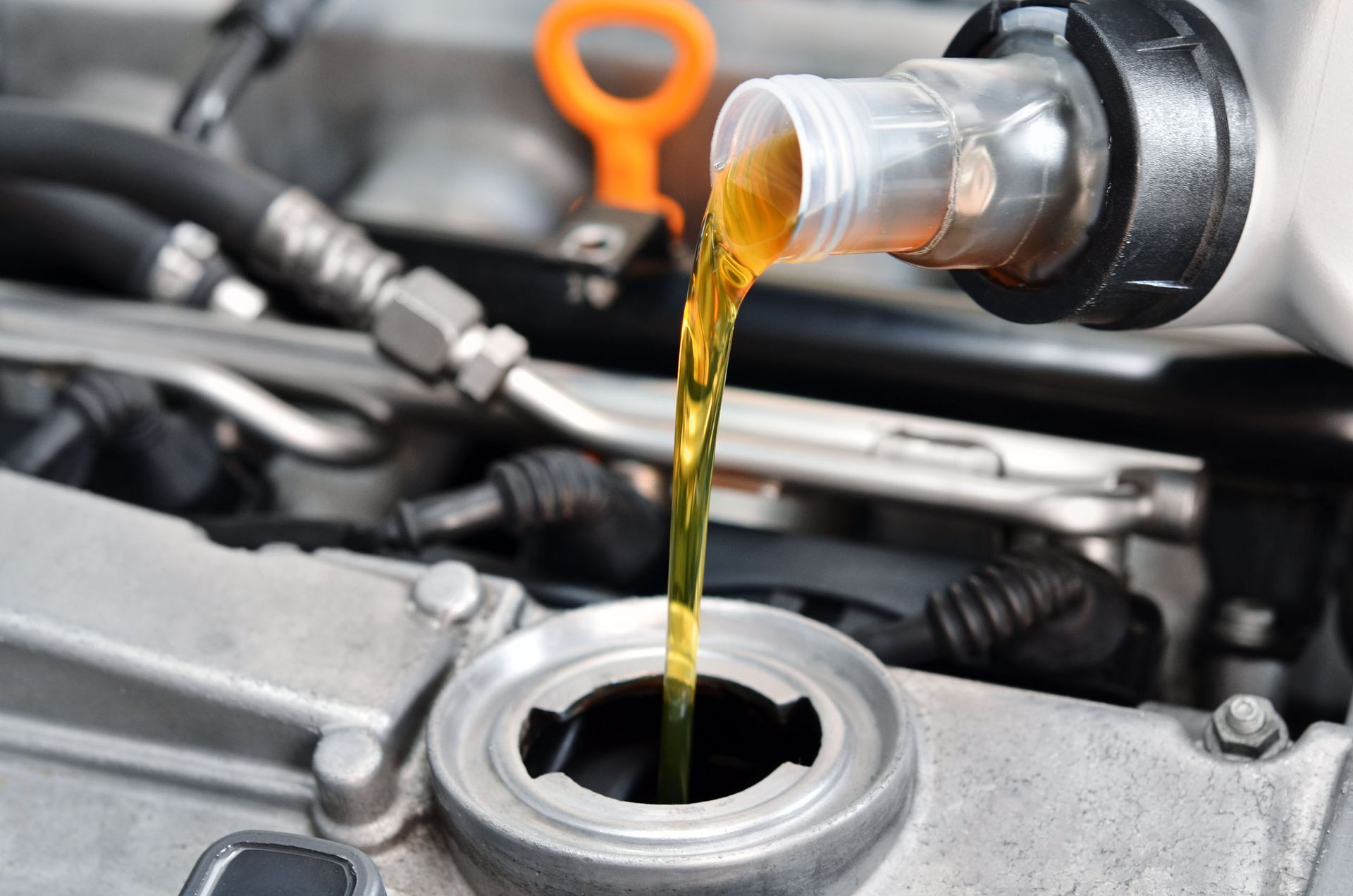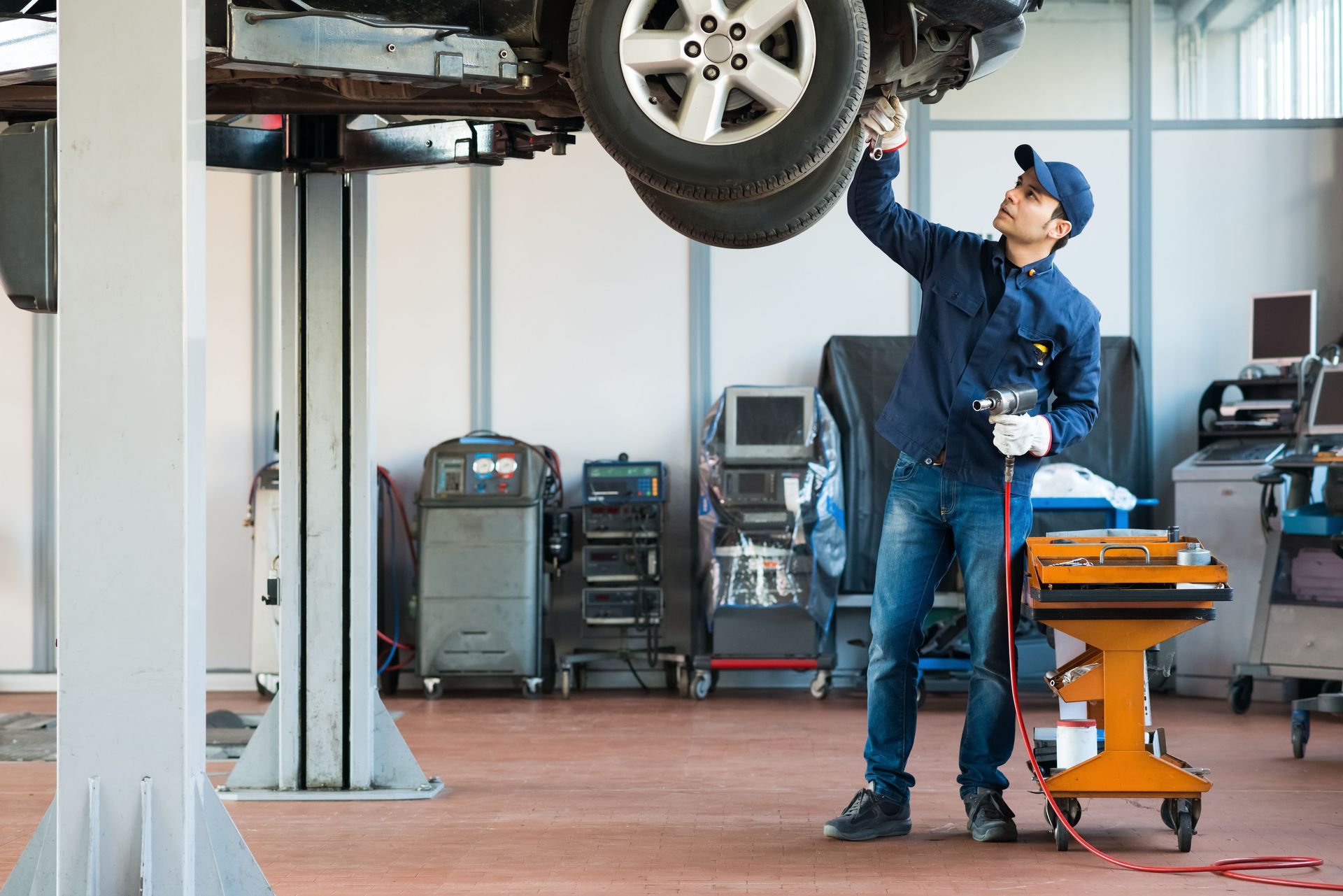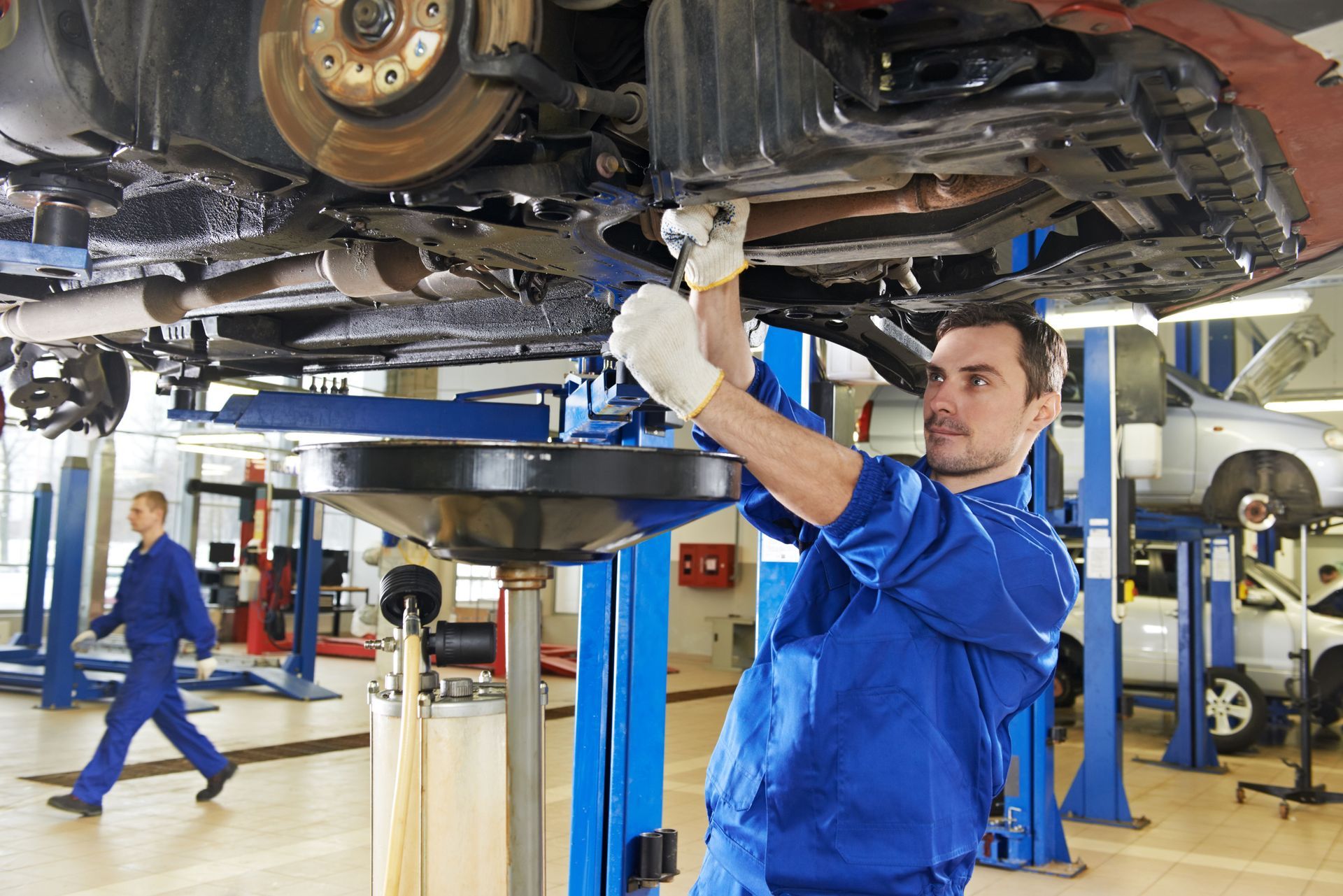
An oil change can seem like one of the easiest maintenance tasks to postpone. When your vehicle starts normally, drives smoothly, and shows no warning lights, it is easy to assume that another few hundred miles will not make a difference. However, engine oil plays a critical role in keeping internal components lubricated, reducing friction, managing heat, and helping prevent premature wear. Delaying this relatively simple service can eventually create much larger problems.
Protect Engine Components With Regular Oil Changes
Your engine contains numerous moving components that operate under significant heat and pressure. Engine oil creates a lubricating barrier between these components, helping them move with less friction. Over time, however, oil becomes contaminated and loses some of its ability to perform effectively. Continuing to drive with degraded oil can increase friction and contribute to wear.
Following the maintenance schedule recommended for your specific vehicle helps establish a proactive approach to engine care. When you work with experienced auto repair shops, technicians can also check the vehicle for other developing maintenance concerns while completing an oil change.
Prevent Expensive Engine Damage With Timely Service
The biggest financial risk of skipping oil changes is that a relatively inexpensive maintenance service can eventually contribute to a much more expensive repair. When oil becomes excessively dirty or breaks down, it may not adequately lubricate engine components. Increased friction and heat can accelerate wear, potentially affecting critical internal parts.
This is where preventative maintenance delivers real value. Paying for routine service does not guarantee that a vehicle will never experience a mechanical problem, but it can help address predictable maintenance needs before they escalate. Auto repair shops can evaluate the condition of your vehicle and help you stay on top of services that support long-term reliability.
Preserve Fuel Efficiency With Consistent Maintenance
Fuel costs are another reason vehicle owners should take routine maintenance seriously. A vehicle's fuel economy depends on numerous factors, including driving habits, tire condition, vehicle design, and mechanical condition. Engine maintenance is one piece of that overall equation.
When an engine is operating under unnecessary friction or stress, it may not perform as efficiently as it should. Keeping up with oil changes helps maintain the lubrication system and supports normal engine operation. While an oil change alone cannot guarantee improved gas mileage, staying current with scheduled maintenance can help your vehicle operate as intended.
For drivers who rely on their vehicles for commuting, errands, family responsibilities, and everyday travel around Columbus, maintaining consistent performance can make a meaningful difference. Auto repair shops can help drivers establish a maintenance routine that accounts for the vehicle's age, mileage, manufacturer recommendations, and driving conditions.
Avoid Secondary Problems With Complete Vehicle Care
Skipping an oil change does not always result in immediate engine failure. More often, the concern is that neglected maintenance can become part of a larger pattern. When one service gets postponed repeatedly, other maintenance needs may also be overlooked.
For example, vehicle owners may delay checking fluids, filters, belts, cooling systems, or other components because everything appears to be working. Eventually, several maintenance items can accumulate at once. This can make vehicle ownership more expensive and inconvenient because multiple services may become necessary during the same period.
A comprehensive maintenance mindset helps prevent this situation. Oil changes should be viewed as one component of an ongoing vehicle care strategy rather than an isolated service. Working with auto repair shops that provide a broad range of maintenance and repair services can make it easier to keep track of the vehicle's overall condition.
Follow Maintenance Schedules With Vehicle-Specific Guidance
There is no universal oil-change interval that applies perfectly to every vehicle. Manufacturer recommendations can vary based on the make, model, engine, oil type, mileage, and operating conditions. Your owner's manual is an important resource for understanding the maintenance schedule designed for your vehicle.
Driving conditions can also influence maintenance needs. Frequent short trips, stop-and-go traffic, towing, extreme temperatures, and other demanding conditions may affect how a vehicle's systems operate. If you are unsure when your next oil change is due, a qualified technician can review your vehicle's maintenance needs and provide guidance based on its specific circumstances.
The same principle applies to other fluids. According to CarFax, coolant flushes are considered necessary when you replace your car's coolant, which some vehicles only need after 100,000 miles, but that varies from car to car. Understanding that maintenance intervals differ from one vehicle to another reinforces the importance of following the recommendations for your specific car rather than relying on a generic schedule.
Recognize Warning Signs Before Problems Escalate
Your vehicle can sometimes provide clues that maintenance should not be postponed. An illuminated oil warning light, unusual engine noises, burning smells, visible oil leaks, or changes in engine performance can indicate that your vehicle needs professional attention.
These symptoms should not be ignored simply because the vehicle continues to drive. Warning signs can have multiple causes, and an accurate diagnosis is necessary to determine what is actually happening. Continuing to drive without addressing a developing problem may allow a relatively manageable issue to become more complicated.
If you notice something unusual, scheduling an inspection can provide clarity. Auto repair shops with diagnostic and repair capabilities can evaluate the vehicle and determine whether the concern is related to oil, another fluid, a mechanical component, or an unrelated system.
Reduce Long-Term Costs With Preventive Maintenance
Preventive maintenance is ultimately about managing vehicle ownership costs more strategically. No vehicle remains completely maintenance-free, but routine services can make expenses more predictable. An oil change is generally much easier to plan for than an unexpected major engine repair.
Consistent maintenance can also help you protect the value and usability of your vehicle. Whether you plan to keep your car for many more years or eventually trade it in, maintaining service records and addressing routine needs demonstrates that the vehicle has received ongoing care.
For many drivers, the goal is not simply to keep a car running today. It is to keep it dependable tomorrow, next month, and for the miles ahead. That requires a commitment to scheduled maintenance rather than waiting until something breaks.
Choose Professional Service For Reliable Vehicle Care
When it is time for an oil change, choosing a dependable service provider can make maintenance easier to manage. Streamline Auto has served Columbus drivers since 1948 and provides routine maintenance alongside a broad range of automotive repair services. Our shop offers oil changes, engine services, coolant flushes, brake services, tire services, and other vehicle maintenance solutions.
Streamline Auto also emphasizes transparent communication, same-day estimates, and same-day service availability in most cases. Our technicians bring more than 100 years of combined experience, providing drivers with an established resource for routine maintenance and more complex repairs.
Choosing professional service can also help you stay ahead of your vehicle's maintenance requirements. Instead of waiting for a warning light or major symptom, you can make routine care part of your normal ownership schedule.
An oil change may be a small maintenance expense, but its role in protecting your engine should not be underestimated. Skipping one service may seem harmless, yet repeatedly postponing maintenance can increase wear, contribute to performance concerns, and potentially create expensive repair needs.
Keeping up with your vehicle's recommended maintenance schedule is a practical way to support engine health and make ownership costs more predictable. If you are overdue for an oil change or are unsure when your next service should take place, professional auto repair shops can help you determine the appropriate next step.
For Columbus drivers, Streamline Auto is ready to help keep your vehicle running reliably. Schedule your next oil change and make preventative maintenance part of your long-term vehicle care strategy. Contact us today!