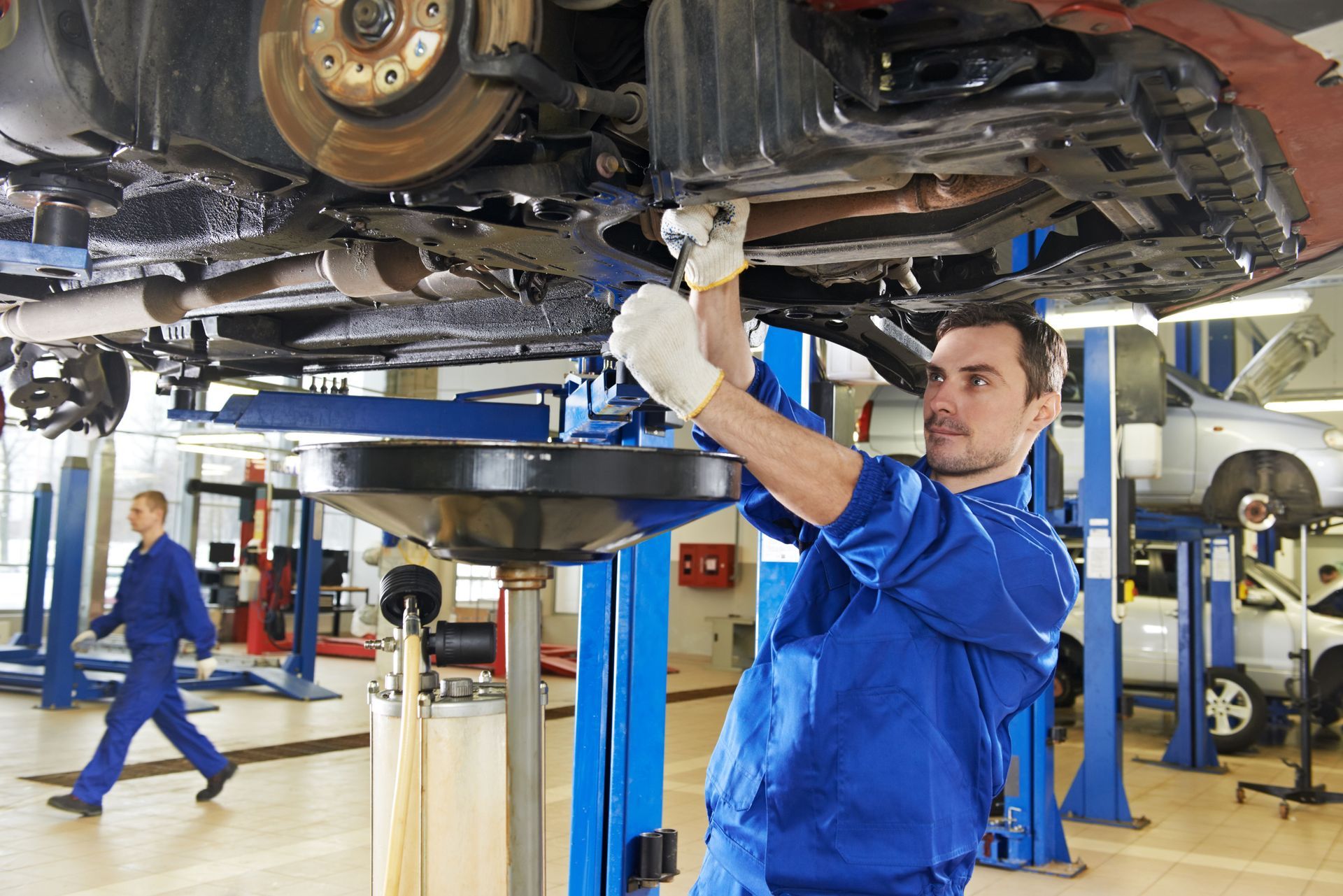
Car alignment plays a critical role in maintaining vehicle safety, structural integrity, and daily driving efficiency, affecting everything from tread longevity to overall fuel consumption. While many drivers are aware of the basic maintenance required to keep their automobiles in top shape, they often overlook subtle causes of misalignment that can gradually impact their experience on the road. Understanding these causes not only helps in preventing unexpected repair costs but also ensures a smoother, safer ride. Proper alignment entails the precise adjustment of a vehicle's suspension system, which connects the chassis directly to its wheels. It goes far beyond mere tire positioning; it incorporates complex mechanical geometries that should be meticulously maintained by trained technicians.
By examining the often-overlooked causes of steering and suspension issues, drivers can take proactive steps to safeguard their vehicles from avoidable mechanical damage. Neglecting routine suspension checks can lead to compounding problems that exacerbate overall component wear, especially considering that, according to Kelley Blue Book, vehicles on American roads are now nearly thirteen years old on average. Given this statistic, the need for regular assessment of wheel angles becomes evident for aging cars. Seeking out dedicated local car alignment shops allows vehicle owners to identify subtle misalignments before they escalate into dangerous and costly mechanical failures across six commonly ignored areas.
Uneven Tire Wear and Radial Drag
Uneven tire wear is often the first visible sign of steering misalignment, manifesting as irregular patterns across the tread face. These patterns might appear as smooth bald spots or heavy feathering along the inner edges, indicating that the tires are not making uniform contact with the pavement. By regularly inspecting treads for these irregular patterns, drivers can preempt further rubber degradation and address tracking concerns early. Misalignment frequently leads to tires pulling in conflicting directions, accelerating surface friction and heat buildup. It is crucial to monitor tread condition continuously to ensure optimal vehicle handling, predictable braking performance, and long-term passenger safety.
Unforgiving Road Impacts and Driving Habits
Potholes and uneven road surfaces are ubiquitous driving challenges that many motorists face daily, often overlooked until they create severe tracking problems. Frequently traveling over asphalt craters, missing expansion joints, or broken pavement can lead to gradual suspension misalignment, disrupting the delicate geometry among the vehicle's control arms and steering knuckles. It is crucial to drive cautiously and actively steer clear of severe road defects whenever safe to do so. A deep pothole can deliver a massive kinetic jolt to the suspension assembly, physically bending metal components or forcing adjusting bolts out of position, requiring immediate service at local car alignment shops.
Aging and Worn Suspension Components
Worn-out shock absorbers and struts are a primary cause of chronic misalignment because they lose their ability to dampen road shocks efficiently. When dampening components become structurally compromised, the entire suspension framework absorbs unmitigated road impacts, placing excessive kinetic stress on metal mounting points and control arm bushings. Drivers might notice excessive body roll, nose-diving during braking, and lingering bounce after hitting bumps when shocks require immediate replacement. Routine physical inspections and timely component replacements by mechanics at local car alignment shops ensure that dampening systems absorb impacts correctly, protecting overall wheel alignment.
The gradual aging of rubber bushings, ball joints, and sway bar links is another factor that systematically induces wheel misalignment over time. As vehicles accumulate miles, internal suspension joint seals degrade, grease leaks out, and structural rubber hardens and cracks, introducing mechanical play into the wheel hubs. According to recent automotive studies, aging vehicle fleets require vigilant inspection routines to catch loose joints before they compromise overall driving safety. Drivers should regularly inspect undercarriage components and replace loose or rusted parts to maintain factory alignment parameters. Proactive replacement of worn hardware prevents loose components from causing erratic wheel movement.
Incorrect Tire Inflation and Temperature Shifts
Maintaining correct tire air pressure is fundamental to preserving precise wheel alignment and ensuring even weight distribution across the tread footprint. Under-inflated or over-inflated tires do not make uniform contact with the road surface, which alters the vehicle's scrub radius and destabilizes tracking calibration over time. Correct pneumatic inflation supports balanced pressure distribution across the tire casing, ensuring that wheels roll smoothly without generating lateral drag forces. Routine tire pressure monitoring is an easy yet essential maintenance task required to preserve factory alignment settings, optimize fuel efficiency, and ensure stable vehicle control.
Uncalibrated Vehicle Modifications
Installing aftermarket custom wheels and wider rims enhances vehicle aesthetics but can unintentionally disrupt suspension alignment if components are selected carelessly. Incorrect wheel offsets, improper bolt patterns, or excessive rim widths alter the factory scrub radius and strain wheel bearings, disrupting engineered suspension parameters. It is essential to verify exact vehicle fitment and seek professional mounting services when upgrading wheels. Persistent steering pull and accelerated tire wear often stem from geometric changes introduced by non-factory rim dimensions. A careful, well-researched approach to wheel modifications preserves factory tracking qualities and protects suspension longevity.
Choosing inappropriate or low-quality aftermarket suspension lowering springs or lift kits can dramatically alter vehicle geometry, creating severe alignment complications. Many car enthusiasts underestimate the sweeping camber, caster, and toe changes triggered by altering factory ride height. Installing suspension modifications without recalibrating factory control arm angles destabilizes high-speed handling and causes rapid, extreme tread destruction. Selecting high-grade suspension kits engineered specifically for your vehicle's make and model is vital. Consulting experienced technicians at local car alignment shops during kit selection ensures that performance upgrades harmoniously integrate with steering systems.
Improper Cargo Loading and Vehicle Overloading
Uneven weight distribution inside a vehicle significantly alters suspension height and alignment angles, an operational issue that often goes unnoticed by drivers. Stowing heavy cargo exclusively on one side of a trunk or truck bed compresses the springs on that side, inducing unwanted camber and toe shifts while driving. Practicing balanced loading techniques ensures weight is distributed evenly across both axles, protecting suspension components from asymmetrical stress. Routinely checking load balance prevents localized spring sagging and irregular tire wear. Methodical cargo placement maintains factory ride height and preserves neutral steering alignment during transit.
Exceeding a vehicle's maximum gross vehicle weight rating places extreme stress on springs, shock absorbers, control arms, and tire sidewalls. Carrying excessive weight forces the suspension down to its bump stops, radically changing camber and toe angles while compromising steering response. Adhering strictly to manufacturer payload recommendations ensures the vehicle operates within designed structural parameters, keeping wheel angles true. Respecting weight limits prevents severe mechanical strain, frame flexing, and permanent spring sagging. Vigilance regarding vehicle weight limits protects expensive suspension systems from damage and preserves overall driving safety.
Vehicle alignment remains a foundational pillar of comprehensive automobile care, directly dictating ride comfort, steering precision, and road safety. Drivers frequently overlook daily factors that induce subtle misalignment—from striking hidden potholes to carrying uneven cargo loads—resulting in inflated repair expenses and compromised handling performance. Committing to proactive maintenance routines, monitoring tire wear patterns, and addressing subtle driving feedback cues fortify the structural integrity of your vehicle's steering system.
Ultimately, understanding the diverse factors that impact suspension geometry leads to vastly improved vehicle longevity and lower cost per mile. The cumulative benefits of maintaining correct wheel alignment extend far beyond simple financial savings; they enhance driving comfort, ensure predictable emergency maneuvers, and keep American roads safer for everyone. When you are ready to evaluate your vehicle's suspension geometry, correct tracking issues, or restore factory handling precision, rely on the certified technicians at Streamline Auto to deliver expert alignment services tailored to your vehicle's exact specifications.