By Rob
November 4, 2026
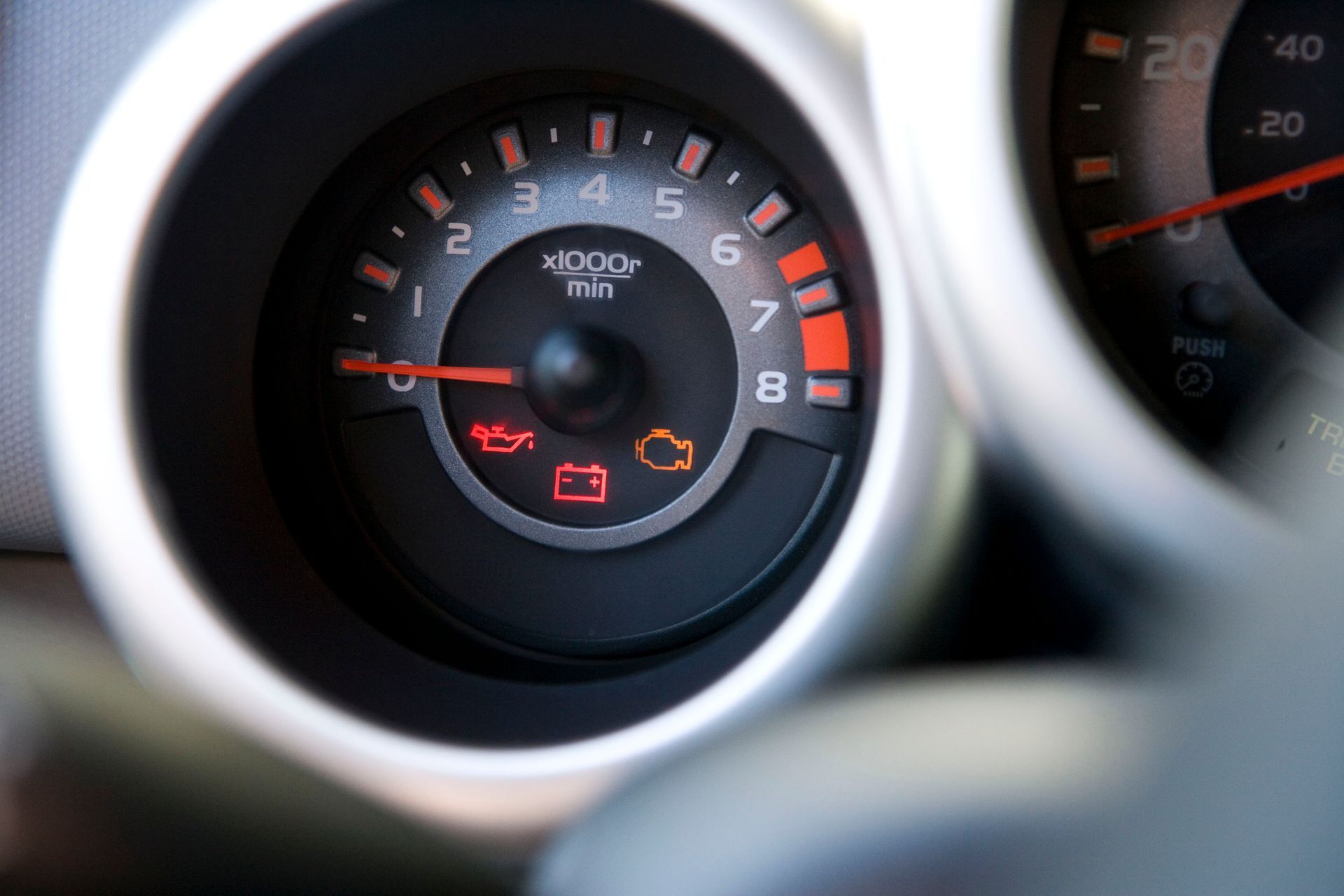
Modern vehicles rely on intricate electronic networks to monitor mechanical performance, exhaust emissions, and engine health. When an unexpected amber glow suddenly illuminates your dashboard instrument cluster, it often brings a wave of concern and uncertainty. That persistent indicator, commonly known as the check engine light, serves as the computerized voice of your vehicle. Rather than indicating an immediate disaster, this warning signal alerts motorists that onboard diagnostic sensors have detected an irregularity within the powertrain, fuel intake, or emissions systems. Deciphering the underlying message requires looking beyond the illuminated icon to understand how modern automotive diagnostics function during daily driving conditions.
Ignoring this visual alert can transform minor mechanical discrepancies into extensive system failures that disrupt vehicle reliability. Many drivers delay seeking professional auto repair because the vehicle appears to drive normally despite the illuminated warning light. However, internal engine computers constantly adjust fuel mixtures, ignition timing, and valve operation to compensate for underlying faults. This automated compensation protects internal components temporarily, but prolonged operation without proper diagnosis can lead to decreased fuel efficiency, increased exhaust emissions, and compromised safety. Understanding what triggers this diagnostic notification allows vehicle owners to respond thoughtfully and keep their engines running smoothly during continuous highway travel.
Addressing Loose or Damaged Gas Caps
A particularly frequent yet least catastrophic cause of a dashboard warning light involves the fuel vapor containment system. Modern vehicles feature an evaporative emission control setup designed to prevent volatile gasoline vapors from escaping into the surrounding atmosphere. The fuel filler cap acts as a crucial pressure seal that keeps this closed system pressurized and airtight during operation. When the cap is left loose after refueling, cracked from weathering, or missing entirely, the diagnostic computer interprets the pressure variance as an evaporative leak. This sudden alteration in internal vapor pressure immediately triggers the indicator on your instrument cluster.
Fortunately, resolving this particular issue is straightforward and does not require extensive mechanical intervention. Drivers who notice the warning light shortly after visiting a filling station should inspect the cap to ensure it clicks tightly into position. If the rubber gasket around the seal exhibits noticeable deterioration, replacing the cap with a fresh unit often resolves the problem within subsequent driving cycles. If the dashboard light remains active after securing the fuel filler assembly, scheduling a comprehensive auto repair assessment remains the safest approach. Professional scanning tools can determine whether a tiny evaporative purge valve or vapor charcoal canister has failed elsewhere within the fuel recovery system.
Identifying Faulty Oxygen Sensors
Another common culprit behind an active check engine light is a deteriorating exhaust oxygen sensor. These electronic probes sit directly in the exhaust manifold and downstream piping to measure the quantity of unburned oxygen leaving the combustion chambers. By transmitting continuous real-time voltage data to the central engine control computer, oxygen sensors allow the fuel injection system to maintain an optimal balance of gasoline and incoming air. Over continuous operation, harsh combustion residues, extreme exhaust heat, and chemical contamination gradually degrade the sensitive ceramic elements within each sensor probe.
When an oxygen sensor begins sending erratic data or ceases functioning altogether, the engine control module defaults to a richer fuel mixture. This default setting protects internal valves from overheating, but it causes the vehicle to burn excessive fuel and produce foul exhaust odors. According to LLCBuddy, drivers generally keep their personal vehicles in service for an average of 8.4 years, making proactive sensor maintenance essential for preserving long-term automotive health. Neglecting a worn oxygen sensor forces the engine to operate inefficiently and can eventually ruin downstream components. Scheduling timely auto repair to replace failing sensors restores balanced fuel delivery, improves acceleration responsiveness, and safeguards surrounding exhaust hardware from premature deterioration.
Diagnosing Failing Catalytic Converters
A more serious condition communicated by your dashboard light relates to catalytic converter inefficiency. Situated within the undercarriage exhaust system, the catalytic converter utilizes precious metals like platinum, palladium, and rhodium to convert harmful hydrocarbons, carbon monoxide, and nitrogen oxides into harmless water vapor and carbon dioxide. Under normal operating conditions, a catalytic converter functions reliably throughout the operational lifespan of an automobile. However, unresolved mechanical issues elsewhere in the engine can destroy this critical emissions component.
When an engine suffers from chronic misfires or faulty fuel delivery, unburned fuel enters the hot exhaust stream and ignites inside the honeycomb matrix of the converter. This extreme thermal load melts the internal precious metal core, restricting exhaust flow and severely choking engine performance. Motorists experiencing this failure often notice sluggish highway acceleration, sulfurous odors resembling rotten eggs, and a flashing warning symbol on the dash. Because converter issues almost always stem from ignored upstream problems, pursuing professional auto repair at the earliest sign of trouble protects this essential component from irreversible thermal destruction.
Recognizing Malfunctioning Mass Airflow Sensors
Proper engine combustion hinges on a precise calculation of incoming atmospheric air, which is the primary duty of the mass airflow sensor. Mounted along the intake tract between the air filter box and throttle body, this delicate device measures the volume and density of air entering the intake manifold. The engine computer utilizes these measurements to determine the precise volume of fuel needed for each combustion stroke. Due to its position in the intake stream, the tiny sensing wire can collect fine dust particles, road grime, and oily vapor from crankcase ventilation circuits.
Contamination on the sensor element alters its electrical resistance, causing the device to miscalculate incoming air volume. Consequently, the vehicle may suffer from rough idling, sudden hesitation when pressing the accelerator pedal, hard starting conditions, and an illuminated dashboard warning indicator. In some instances, specialized chemical cleaners can remove surface deposits from the sensor wire and restore accurate readings. However, if the electronic circuitry has suffered internal electrical breakdown, scheduling auto repair to install an original equipment replacement ensures that your engine computer receives pristine airflow data for optimal combustion efficiency.
Resolving Worn Spark Plugs and Ignition Issues
A flashing check engine light during active driving almost always signifies a severe misfire event that is actively dumping raw gasoline into the exhaust piping. Driving with an active misfire can cause severe structural damage to cylinder walls, pistons, and exhaust valves within a very short period. Replacing aged spark plugs, deteriorated boots, and failing ignition coils restores smooth engine operation and protects mechanical internals from excessive vibration. Seeking targeted auto repair when ignition warnings surface ensures crisp throttle response, dependable cold starting, and consistent fuel efficiency through all driving environments.
Modern vehicles communicate their mechanical needs through sophisticated electronic indicators that should never be dismissed or ignored. Giving prompt attention to an illuminated check engine warning protects vital components, preserves fuel efficiency, and prevents minor sensor glitches from becoming extensive powertrain disruptions. Professional diagnostic scans pinpoint trouble codes quickly, eliminating guesswork and guiding accurate auto repair solutions tailored to your specific vehicle model. Prioritizing scheduled vehicle maintenance guarantees that your automobile continues delivering reliable performance across every journey.
Partnering with qualified technicians ensures that every diagnostic trouble code receives thorough investigation and lasting mechanical resolution. If you are ready for comprehensive diagnostic solutions, contact us at Streamline Auto today. We will help you understand your dashboard warning indicators and restore your vehicle to peak operating condition.