Wheel alignment plays a practical role in how your vehicle drives, handles, and wears over time. When alignment is correct, the tires meet the road at the proper angles, helping the vehicle move smoothly, track straight, and respond accurately to steering input. This supports safer handling, improved tire performance, and more consistent fuel efficiency under everyday driving conditions. Over time, proper alignment also helps reduce uneven tire wear and unnecessary strain on suspension components. Many drivers only think about alignment after noticing a problem, but routine attention helps prevent avoidable repairs and long-term performance issues. Professional service providers, including car alignment shops, use specialized equipment to measure and adjust alignment settings with precision, ensuring your vehicle operates as intended.
The Importance Of Wheel Alignment For Vehicle Safety
Proper wheel alignment directly supports driving safety in everyday conditions. When wheels are not aligned, the vehicle may drift or pull, requiring constant steering correction. That extra effort can reduce reaction time in emergencies and increase driver fatigue. Stability becomes especially important during rain, heavy traffic, or highway speeds. Car alignment shops help ensure wheels are set to manufacturer specifications, supporting consistent traction and control.
Alignment also improves braking performance by keeping tires evenly connected to the road surface. When contact is uneven, stopping distances can increase. This creates unnecessary risk, especially in sudden-stop situations. Car alignment shops verify that wheel angles support balanced road contact. That balance contributes to safer handling in both routine and unexpected driving scenarios.
The Impact Of Wheel Alignment On Performance And Efficiency
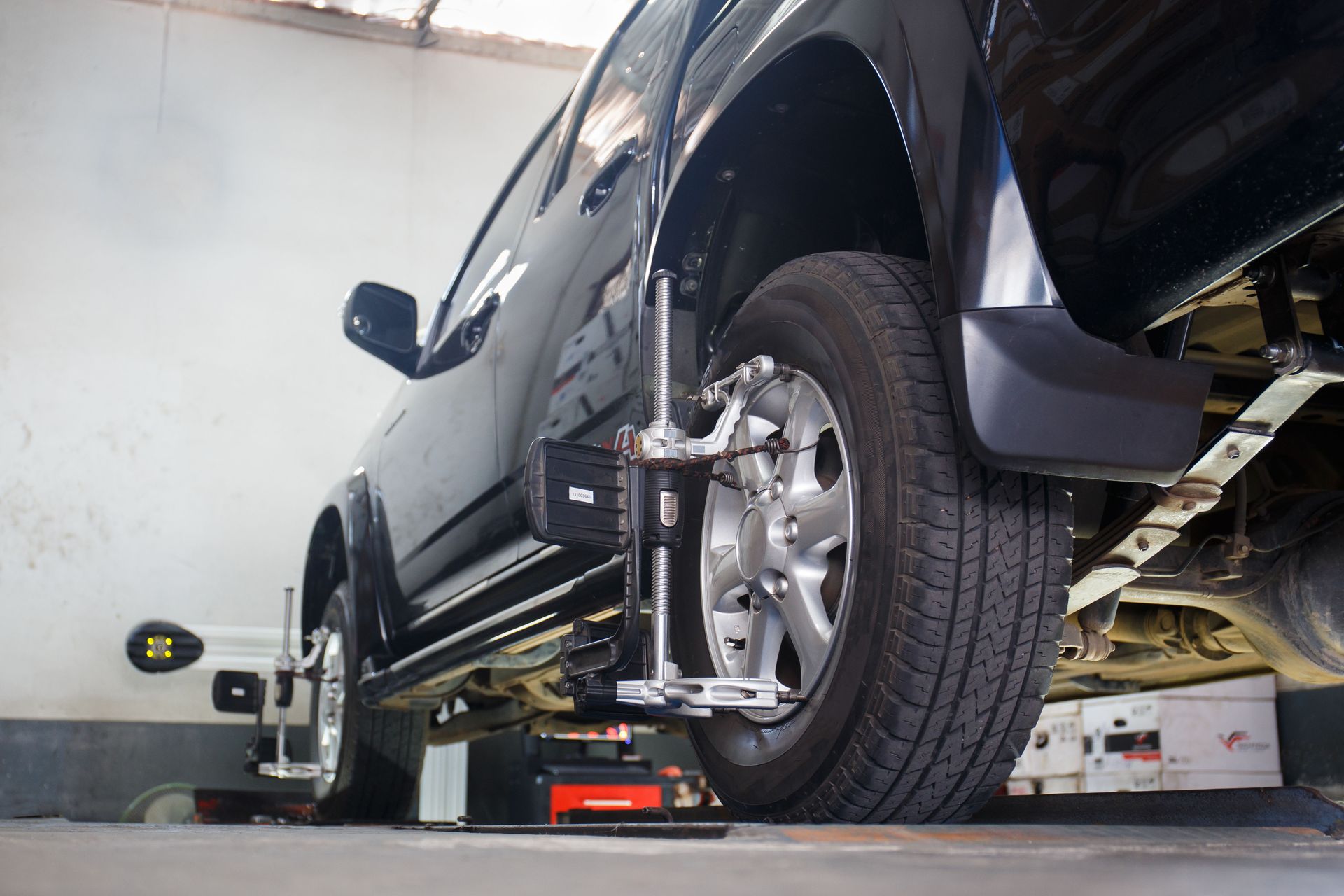
Alignment affects how efficiently your vehicle operates. When wheels are angled incorrectly, rolling resistance increases, which can reduce fuel efficiency over time. Even small deviations can influence overall performance and steering response. Car alignment shops use computerized systems to measure camber, caster, and toe angles with accuracy. Restoring these settings helps the vehicle operate smoothly and predictably.
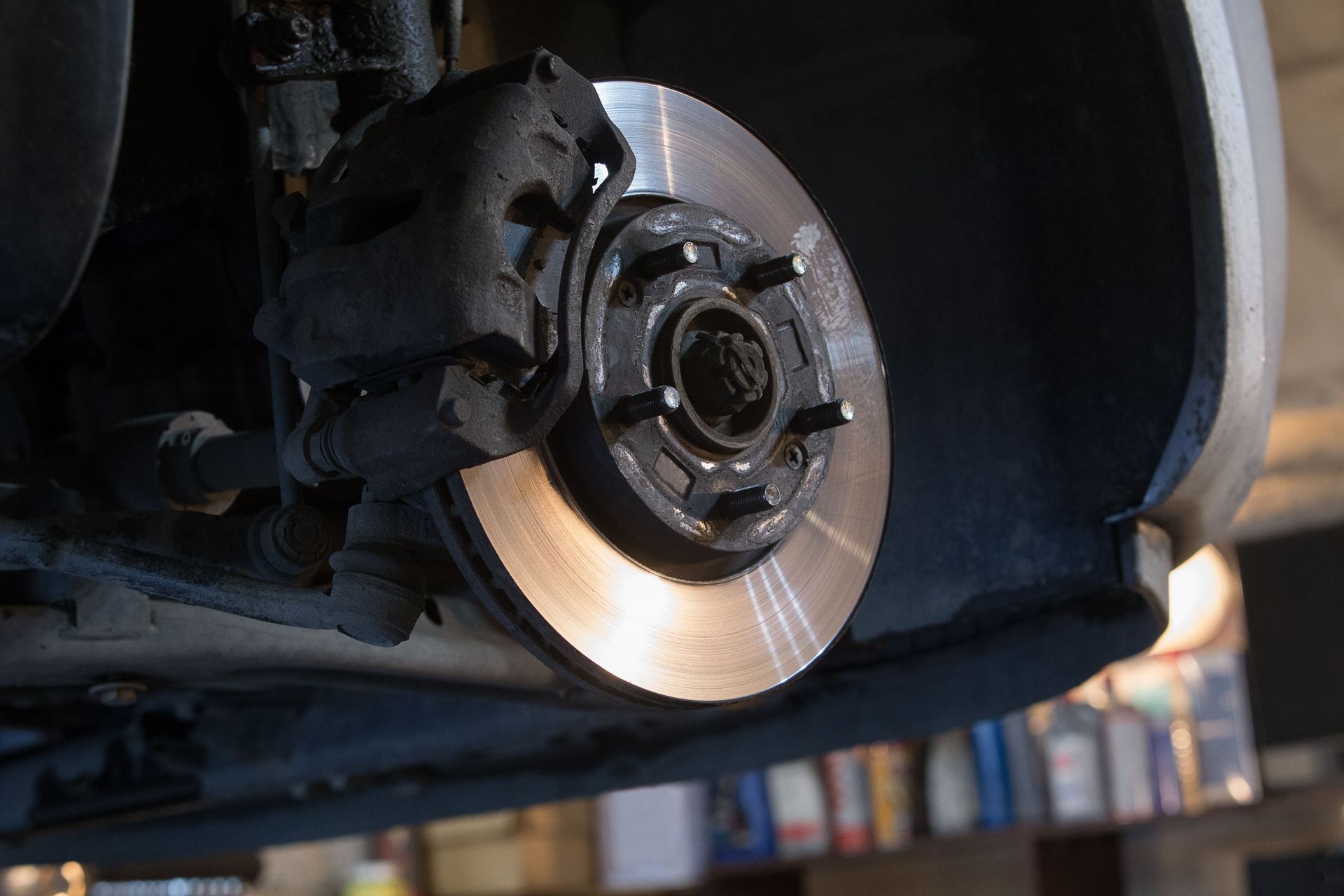
Fuel economy is not the only performance factor affected by wheel alignment. Proper alignment also reduces unnecessary strain on steering and suspension components. When wheels are misaligned, the vehicle must work harder to maintain a straight path, increasing friction and placing added pressure on critical parts. Over time, this strain can contribute to premature wear, uneven handling, and reduced system efficiency.
Car alignment shops adjust wheel geometry to manufacturer specifications, helping minimize resistance and mechanical stress. These precise adjustments improve how power is transferred to the road and ensure the vehicle tracks correctly. As a result, drivers experience more consistent acceleration, smoother steering response, and improved overall stability. Proper alignment supports balanced performance while helping protect key components from avoidable damage.
The Role Of Car Alignment Shops With Advanced Technology
Modern alignment requires specialized tools that most drivers do not have access to. Car alignment shops rely on digital alignment systems that provide precise measurements in real time. These systems detect even minor deviations that may not be visible during a standard inspection. Technicians interpret the data and make controlled adjustments to meet manufacturer specifications. This technology-driven approach improves accuracy and long-term reliability.
In addition to measurement systems, experienced technicians play a key role. Equipment alone is not enough without proper training and interpretation. Car alignment shops combine expertise with technology to ensure adjustments are correct. This professional process reduces guesswork and delivers consistent results. The combination of tools and skill ensures alignment work is both precise and dependable.
The Benefits Of Wheel Alignment For Tire Longevity
Tires represent one of the most significant ongoing vehicle expenses. Misalignment often causes uneven tire wear, shortening tire lifespan and reducing traction. Correct alignment promotes even tread wear across all surfaces of the tire. Car alignment shops help extend tire life by restoring proper wheel angles and balance. When tires wear evenly, replacement intervals improve and overall safety increases.
Even tire wear also improves ride comfort. Uneven tread can create vibration and road noise. Proper alignment reduces these disturbances and supports smoother travel. Car alignment shops evaluate tire condition during service to identify early wear patterns. Addressing alignment early prevents unnecessary tire replacement and maximizes value.
The Causes Of Misalignment With Road Conditions And Wear
Road conditions are a leading cause of alignment issues. Potholes, uneven pavement, and curb impacts can shift wheel angles after sudden jolts. Over time, repeated exposure to rough surfaces gradually affects alignment settings. Suspension components such as shocks and control arms also wear down naturally, influencing wheel positioning. Car alignment shops inspect these systems to determine whether adjustments or part replacements are needed.
Vehicle modifications and heavy loads can also impact alignment. Changes in tire size, suspension height, or frequent towing may require recalibration. Professional alignment ensures the vehicle remains balanced under varying conditions. Car alignment shops evaluate load factors and adjust accordingly. Regular evaluations help maintain consistent handling and stability.
Normal wear and tear is another factor that develops gradually. Even without major impacts, components shift slightly over time. These small changes can compound if not corrected. Car alignment shops provide periodic adjustments that restore factory specifications. Routine service helps prevent minor deviations from becoming significant handling problems.
The Maintenance Guidelines With AAA Recommendations
Routine maintenance is essential for preserving alignment and vehicle performance. According to American Automobile Association, wheels should typically be aligned every two to three years, and tires should be rotated every 5,000 miles or during your regular oil change. Following these intervals helps maintain even tire wear and consistent handling. Car alignment shops often recommend combining alignment checks with regular tire rotations for better long-term results. Staying on schedule reduces unexpected repair costs and supports safer driving.
Tire rotations work alongside alignment by redistributing wear patterns. When combined, these services extend tire lifespan and improve traction consistency. Car alignment shops can evaluate both services during the same visit. This integrated approach simplifies maintenance planning. Regular adherence to these guidelines keeps vehicles operating efficiently.
The Process Of Wheel Alignment With Professional Care
Wheel alignment begins with a full inspection of steering and suspension components. The vehicle is then positioned on specialized alignment equipment to measure wheel angles precisely. Adjustments are made to bring the wheels within manufacturer specifications. Car alignment shops follow standardized procedures to ensure consistent and accurate results. After adjustments, technicians verify improvements in steering response and vehicle stability.
The process typically includes before-and-after measurements. This confirms that corrections achieved the desired specifications. Documentation provides transparency and future reference. Car alignment shops prioritize accuracy at every step. A structured process ensures dependable outcomes rather than temporary fixes.
Wheel alignment influences safety, performance, tire longevity, and overall driving comfort in measurable ways. When alignment settings are within specification, the vehicle handles predictably, steers more accurately, and maintains better contact between the tires and the road surface. This contributes to improved stability during everyday driving, as well as greater control during sudden maneuvers or changing road conditions.
Recognizing warning signs early allows drivers to address issues before they escalate into more costly repairs or premature tire replacement. Following recommended maintenance intervals supports consistent vehicle performance, helps preserve suspension components, and reduces long-term ownership expenses. Car alignment shops provide the expertise, advanced technology, and structured process needed to diagnose alignment concerns and restore proper wheel angles with precision. By staying proactive with inspections and routine service, drivers protect their vehicle investment and support safer driving over the long term. Schedule your next wheel alignment with Streamline Auto today to keep your vehicle performing at its best.