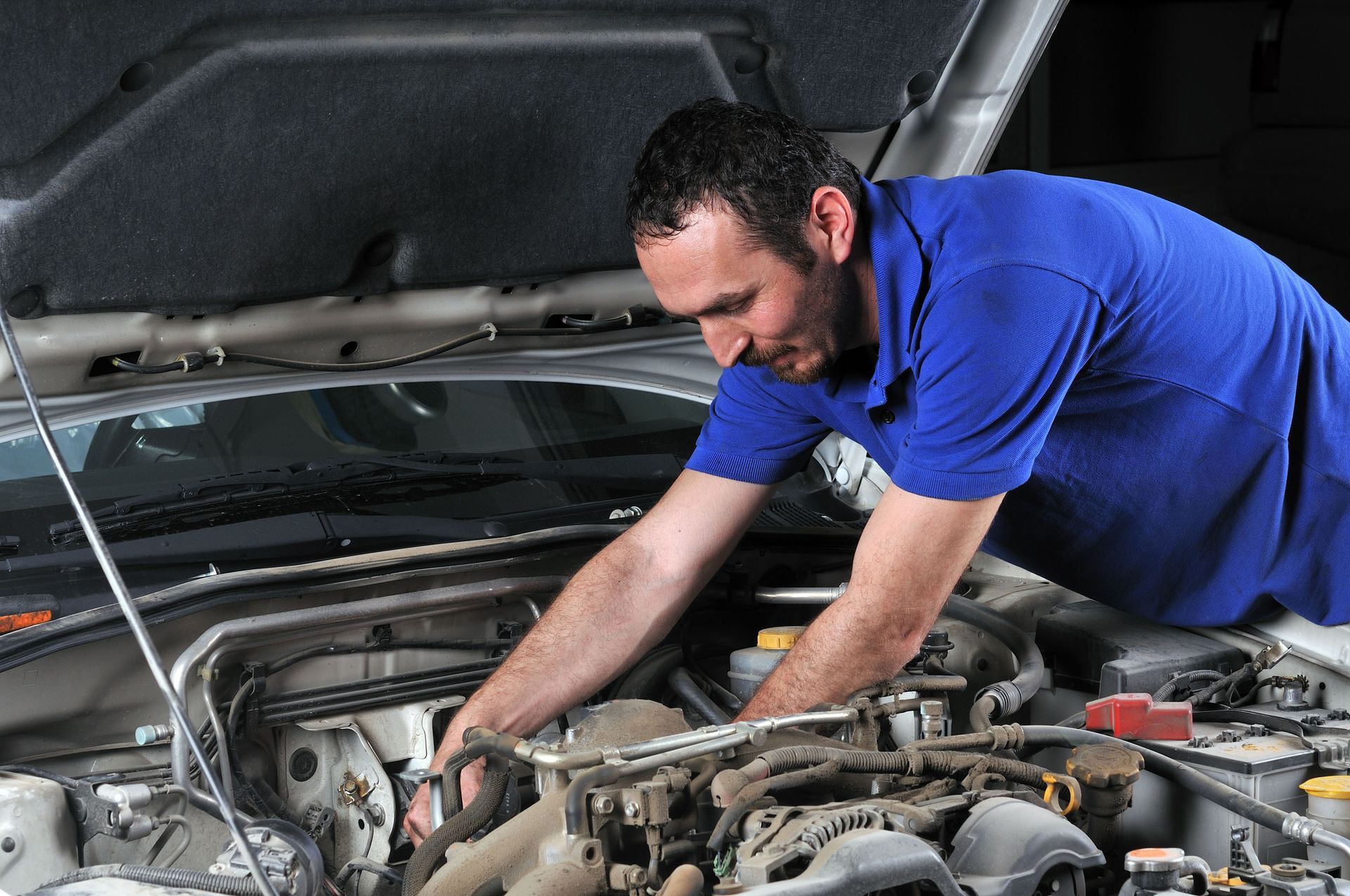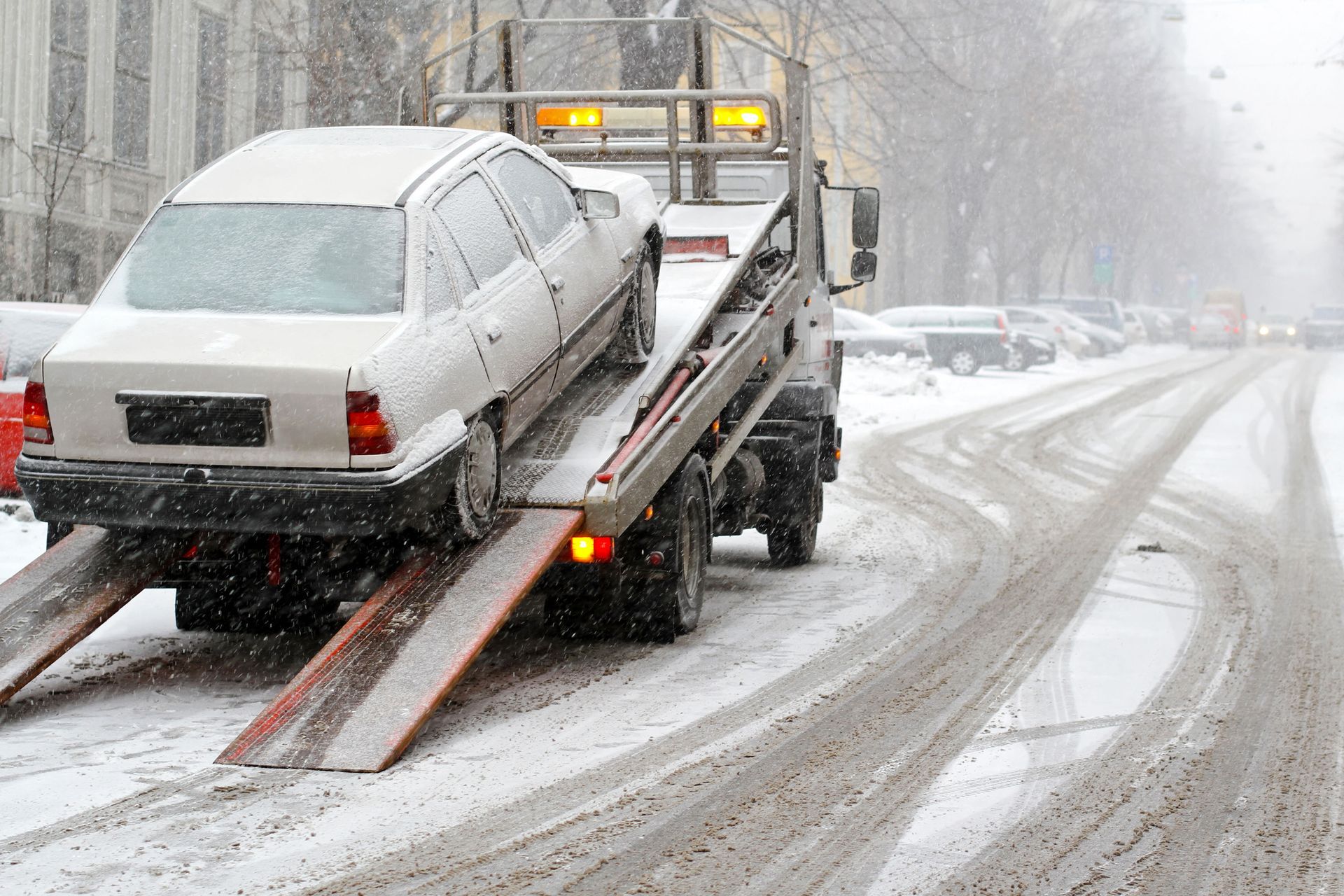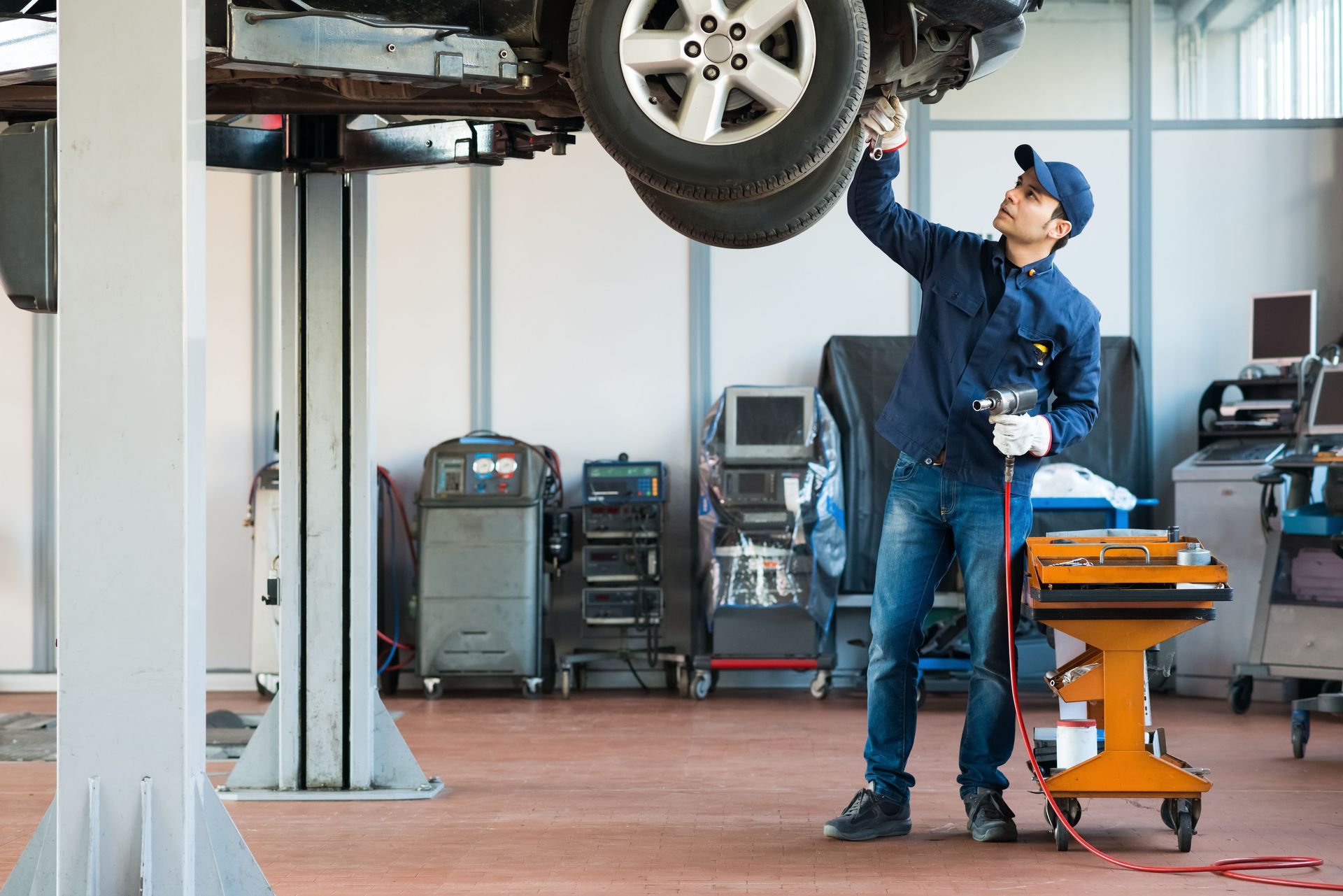
In the fast-paced world we live in, regular auto maintenance might seem like a burden. However, this seemingly minor investment can result in significant cost savings over the long haul. In this article, we will explore how committing to regular auto repairs can prevent major financial pitfalls, extend vehicle lifespan, and ultimately leave more money in your wallet. Many car owners tend to overlook routine maintenance due to the immediate cost, yet these routine repairs often prevent more costly issues down the road. Understanding the intricate balance between regular repairs and long-term savings is crucial for anyone looking to optimize their financial health.
Understanding the Basics of Preventive Maintenance
The Importance of Regular Oil Changes
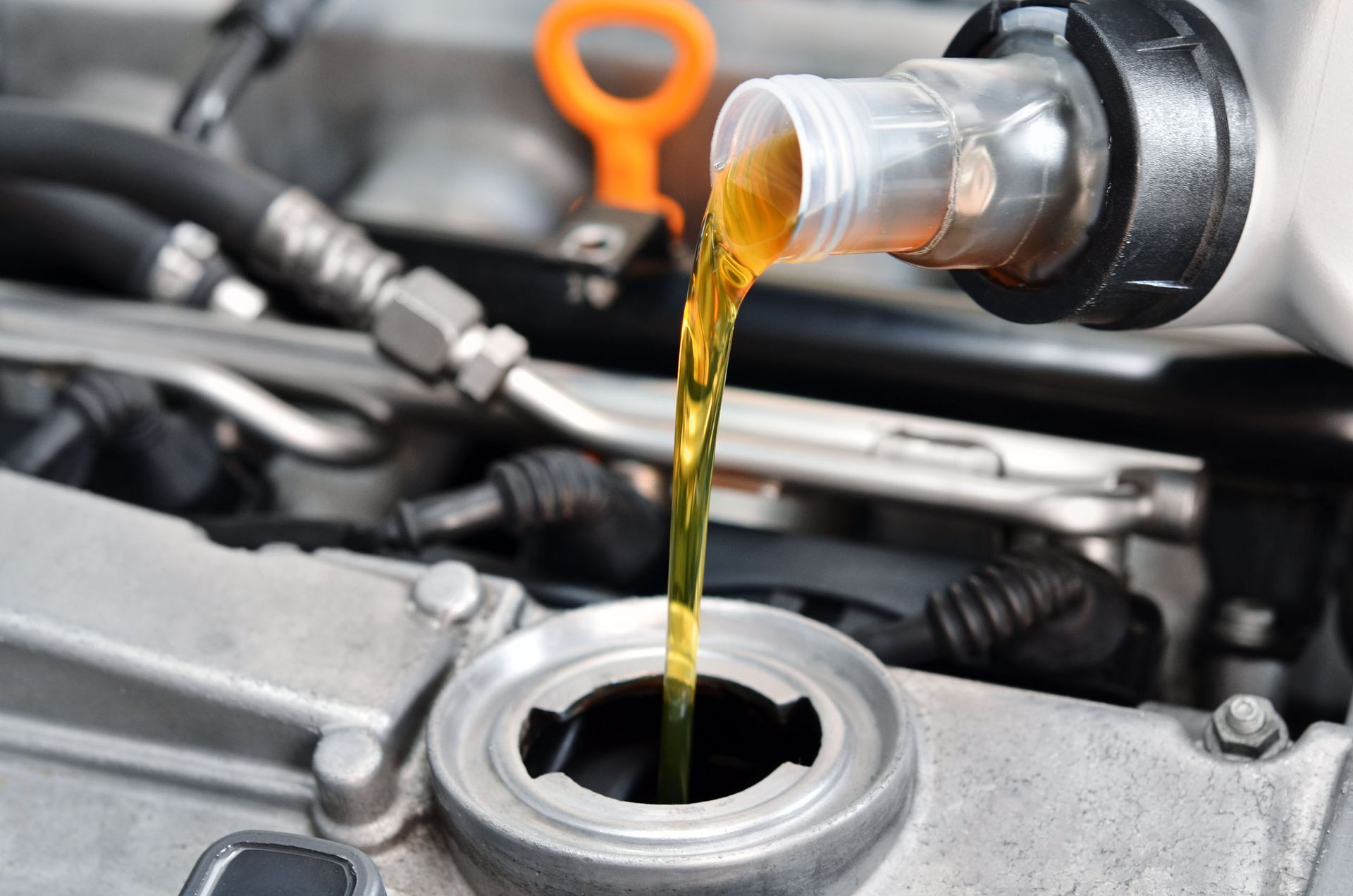
Consistent oil changes are fundamental to the health of your vehicle's engine. Clean oil reduces friction, cools engine components, and absorbs byproducts of combustion, preventing buildup. Neglecting oil changes can result in excess heat, wearing out engine parts prematurely and potentially causing engine failure. Furthermore, regular oil changes help maintain fuel efficiency, saving you money on gas over time. Professional mechanics prioritize oil changes not just for engine longevity but also for overall vehicle performance.
Checking and Replacing Air Filters
Air filters play a pivotal role in ensuring engines receive clean air, vital for efficient combustion. Clogged air filters restrict airflow, forcing the engine to work harder and reduce fuel efficiency. Replacing air filters regularly can improve gas mileage by as much as 10%, which equates to significant savings at the pump. In urban driving conditions, where filters can accumulate pollutants faster, frequent checks and replacements can maintain optimal engine performance. Investing in quality air filters is a cost-effective measure that enhances vehicle reliability.
Routine Tire Inspections
Tires are your vehicle's sole point of contact with the road, making their maintenance vital for safety and performance. Regular inspections can identify under-inflation, which can lead to increased fuel consumption and decrease tire lifespan. Proper tire care, including rotation and balanced pressure, reduces wear and maintains traction, especially in adverse weather conditions. Mechanic shops often suggest tire checks as part of regular service routines, maximizing your vehicle's safety standards. Well-maintained tires not only provide a smoother ride but also improve efficiency, saving costs on fuel and premature replacements.
Benefits of Regular Brake Checks
Your vehicle's brakes are essential for safety, and regular checks can prevent the need for expensive repairs. If brake pads wear down too far, it can damage rotors, increasing replacement costs significantly. Proactively replacing brake components when needed ensures your safety and enhances the longevity of your vehicle's braking system. Car experts recommend routine brake inspections to catch wear and tear early, avoiding major component failures. Gastonia Body Shop suggests a biannual brake check as a potential industry standard for maintaining brake systems effectively.
Keeping the Battery in Check
A functioning battery is crucial for starting your vehicle and powering electrical systems. Regular inspections can identify corrosion or loose connections, which could leave you stranded if not addressed. Battery health impacts the functioning of critical systems such as navigation and climate controls, making professional checks essential. As part of a comprehensive maintenance plan, ensuring your battery is in good condition helps avoid inconvenient breakdowns. Fully charged, well-maintained batteries can extend their lifespan, preventing frequent replacements and unwanted expenses.
Cost Analysis: Routine Maintenance vs. Major Repairs
Breakdown of Typical Maintenance Costs
The costs of routine maintenance, such as oil, air filter changes, and tire checks, are relatively affordable compared to major repairs. Typically, vehicle maintenance may cost a few hundred dollars annually, whereas major repairs can escalate to thousands. By investing consistently in routine checks, car owners can avoid unexpected breakdowns and costly repairs. Maintenance jobs are regularly completed by small body shop teams, which consist of about 3.3 workers who dedicate around 30% of revenue to wages, indicating the efficiency of maintenance expenditure. For many car owners, manageable annual investments in maintenance provide security against unpredictable larger expenses.
The High Price of Neglected Repairs
Ignoring routine maintenance can lead to expensive and complex repair jobs in the future. For instance, untreated small engine issues can evolve into full-blown engine rebuilds, which are notoriously costly and labor-intensive. Similarly, neglecting brake maintenance can require a full brake system replacement, adding pressure to your wallet. The average profit margin for auto repair shops, at around 7.9%, reflects how expensive neglected repairs can become when labor and replacement parts are accounted for. It's clear that consistent maintenance not only prolongs vehicle lifespan but also mitigates extreme financial burdens.
Examples of Expensive Repair Cases
Major auto repairs, such as engine overhauls or transmission replacements, highlight the importance of routine maintenance. Issues like overheating due to a missed water pump replacement can lead to cracked engine blocks, costing thousands. Similarly, expensive transmission failures often stem from neglected fluid replacements or small malfunctions. The proactive replacement of minor parts during routine maintenance can prevent these costly repairs. Mechanics emphasize that such examples illustrate the significant financial benefits of regular vehicle servicing.
Weighing Long-Term Savings against Short-Term Costs
Prioritizing short-term savings by skipping maintenance can lead to higher long-term costs. The small expenses incurred through regular check-ups help detect issues early, ultimately safeguarding against hefty repair bills. In weighing long-term savings, consider the extended vehicle lifespan, improved resale value, and reduced risk of breakdowns. Many experts agree that predictable maintenance costs provide strategic financial planning opportunities. Thus, by acknowledging the necessity of routine care, car owners can make informed decisions that benefit their future finances.
Insurance Benefits from Regular Maintenance
Insurance companies often view regularly maintained vehicles as a lower risk, potentially leading to lower premiums. Proper maintenance provides a record of care that insurers might use to offer you better rates. Additionally, well-kept vehicles are less likely to encounter sudden failures, leading to fewer claims and keeping your premium stable. Insurance providers may also offer perks or discounts for policyholders who adhere to recommended servicing schedules. This aspect of financial planning adds another dimension to the benefits of timely maintenance.
Extending Vehicle Lifespan Through Regular Repairs
Impact of Negligence on Vehicle Longevity
The lifespan of a vehicle is highly contingent on the owner's commitment to regular repairs and maintenance. Neglect leads to wear and tear, resulting in accelerated depreciation and diminished value. Regular tune-ups, oil changes, and brake checks limit the stress on critical components, prolonging their service life. Automobiles under constant care often run more efficiently, safeguarding the engine and other integral parts from premature failure. Ultimately, consistent maintenance can extend vehicle lifespan by years, offering more value for your initial investment.
Maximizing Engine Life with Regular Servicing
An engine is the heart of every vehicle, warranting particular attention to its maintenance needs. Routine servicing including oil changes, filter replacements, and system checks are essential for reliability. Engines maintained regularly are less likely to overheat or seize, which could necessitate costly repairs or replacement. Furthermore, a well-cared-for engine maintains its performance and fuel efficiency, which directly affects your out-of-pocket expenses. By adhering to a regular service schedule, car owners can expect their engine to deliver peak performance for longer periods.
According to the Better Business Bureau, the average body shop operates with a staff of 3.3 workers, spends 30% of all revenue on wages, and has a profit margin of 7.9%. Regular auto repairs are more than just an obligation; they're a wise financial strategy. By investing time and resources into maintaining your vehicle, you can prevent costly repairs, extend its lifespan, and safeguard your overall financial health. Embrace the routine, and your wallet will thank you in the long run. Consistent vehicle care optimizes performance while fostering long-term savings, aligning with personal and financial goals. Ultimately, the conscientious decision to prioritize maintenance turns unforeseen repairs into planned expenses, boosting safety, reliability, and satisfaction. Be sure to reach out to Streamline Auto today for more information on our professional auto repairs!