Maintaining proper wheel alignment is essential for a safe and efficient driving experience. A car alignment, also known as wheel alignment, adjusts the angles of your wheels to match the manufacturer’s specifications. When your wheels are correctly aligned, your vehicle handles predictably, tires wear evenly, and you can avoid costly repairs down the line. Misalignment can happen gradually or suddenly, often caused by everyday driving hazards, collisions, or worn suspension parts.
Many drivers underestimate how important alignment is for overall vehicle performance. Proper alignment affects more than just handling—it influences fuel efficiency, tire longevity, and even safety in emergency situations. Ignoring alignment issues can lead to a cascade of problems, from uneven tire wear to premature suspension failure. Recognizing the signs of misalignment early and addressing them promptly at a trusted car alignment shop ensures your vehicle remains safe, reliable, and comfortable to drive. This guide explores the common signs of misalignment, the causes, the benefits of timely correction, and how to select the right alignment service.
1. When You Notice Uneven Tire Wear
Uneven tire wear is one of the most visible indicators of misalignment. Tires that wear more on one edge than the other not only shorten their lifespan but also affect traction and vehicle handling. Patterns like feathering, camber wear, or cupping signal that a trip to a car alignment shop is necessary. Regularly inspecting your tires is an easy way to catch alignment problems before they become severe. Another warning sign is an off-center steering wheel. If your wheel doesn’t align with the car’s direction, steering becomes challenging and potentially hazardous, especially in wet or icy conditions. You may find yourself constantly adjusting the wheel to keep your car straight, which can be both frustrating and unsafe.
Additionally, a car that consistently pulls to one side while driving on a straight road is a common symptom of misalignment. This requires extra effort from the driver and can lead to fatigue on longer trips. Over time, ignoring this issue accelerates tire wear and can damage suspension components. According to AutoZone, most vehicles benefit from an alignment every 12,000 to 15,000 miles or roughly once a year, making regular checks essential. Addressing these warning signs promptly not only improves driving comfort but also prevents minor issues from escalating into costly repairs.
2. After Hitting Potholes or Road Hazards
Several factors can throw your wheels out of alignment. Hitting potholes or road hazards is a frequent culprit. Even a single impact can shift suspension components, affecting wheel angles and altering handling characteristics. Roads with uneven surfaces, debris, or large cracks increase the risk of misalignment over time, especially for vehicles with low-profile tires. Accidents and collisions, regardless of severity, can also misalign your wheels. Even minor fender benders may disrupt alignment and lead to uneven tire wear, reduced fuel efficiency, and unpredictable handling. It is critical to have your vehicle’s alignment assessed after any accident to avoid long-term damage.
Worn suspension components, such as shocks, struts, and bushings, gradually contribute to alignment issues. As these parts age, they can no longer support the vehicle properly, resulting in misaligned wheels. Regular inspection and replacement of worn suspension parts are necessary to prevent alignment problems from developing. Finally, regular wear and tear from daily driving can subtly affect alignment. Even driving on smooth roads applies stress to suspension components, slowly shifting wheel angles over time. Proactive maintenance and periodic visits to a car alignment shop help manage gradual misalignment and keep your vehicle performing optimally.
3. When You Experience Vibrations or Steering Wheel Issues
Correcting misalignment promptly offers numerous advantages. One of the most significant benefits is extended tire life. Proper alignment ensures that weight and stress are evenly distributed across all tires, preventing uneven wear. This can save drivers hundreds of dollars in replacement tires over the life of a vehicle. Alignment also improves fuel efficiency. Misaligned wheels increase rolling resistance, forcing the engine to work harder and consume more fuel. Proper alignment reduces this resistance, helping your car achieve better gas mileage and lowering emissions. Over time, these small gains in efficiency add up to noticeable savings at the pump.
Vehicle safety is another key benefit. Misalignment can cause unexpected handling issues, particularly during emergency maneuvers, increasing the risk of accidents. Proper alignment ensures that the car responds predictably to steering inputs, boosting driver confidence and passenger safety. Ultimately, timely alignment checks save money, improve driving comfort, and preserve vehicle performance. Routine maintenance ensures that minor misalignment issues do not escalate into major mechanical problems, protecting your investment in the long run.
4. After Tire Replacement or Rotation
Regular alignment checks are vital for maintaining vehicle performance. Following manufacturer recommendations is the first step. Most cars benefit from an alignment every 12,000 to 15,000 miles or roughly once a year. These intervals may vary depending on driving conditions, vehicle type, and load. Checking alignment after tire replacement or rotation is equally important. Even new tires can subtly affect wheel angles due to differences in size, tread pattern, or wear. An alignment check ensures that tires wear evenly and perform as expected, prolonging their lifespan.
Drivers should also pay attention to unusual driving patterns, such as pulling, off-center steering, or excessive vibration, as these may indicate misalignment. Incorporating alignment assessments into regular maintenance schedules ensures consistent vehicle performance, reduces repair costs, and improves overall safety.
5. Following a Collision or Vehicle Incident
Selecting a qualified car alignment shop is critical for accurate and lasting results. Start by researching local options, considering both reputation and proximity. Convenience matters if your vehicle requires follow-up adjustments or additional maintenance. Check that technicians are certified, such as ASE (Automotive Service Excellence), to ensure they possess the skills needed for precise wheel alignment. Certifications indicate that technicians stay updated with the latest alignment technologies and methods, giving you peace of mind that your vehicle is in capable hands.
Finally, compare pricing and warranties. Shops offering warranties on their work show confidence in their service, providing protection in case post-alignment issues arise. Considering price, quality, and warranty together ensures you choose a car alignment shop that delivers reliable results and long-term satisfaction.
6. During Routine Maintenance and Inspections
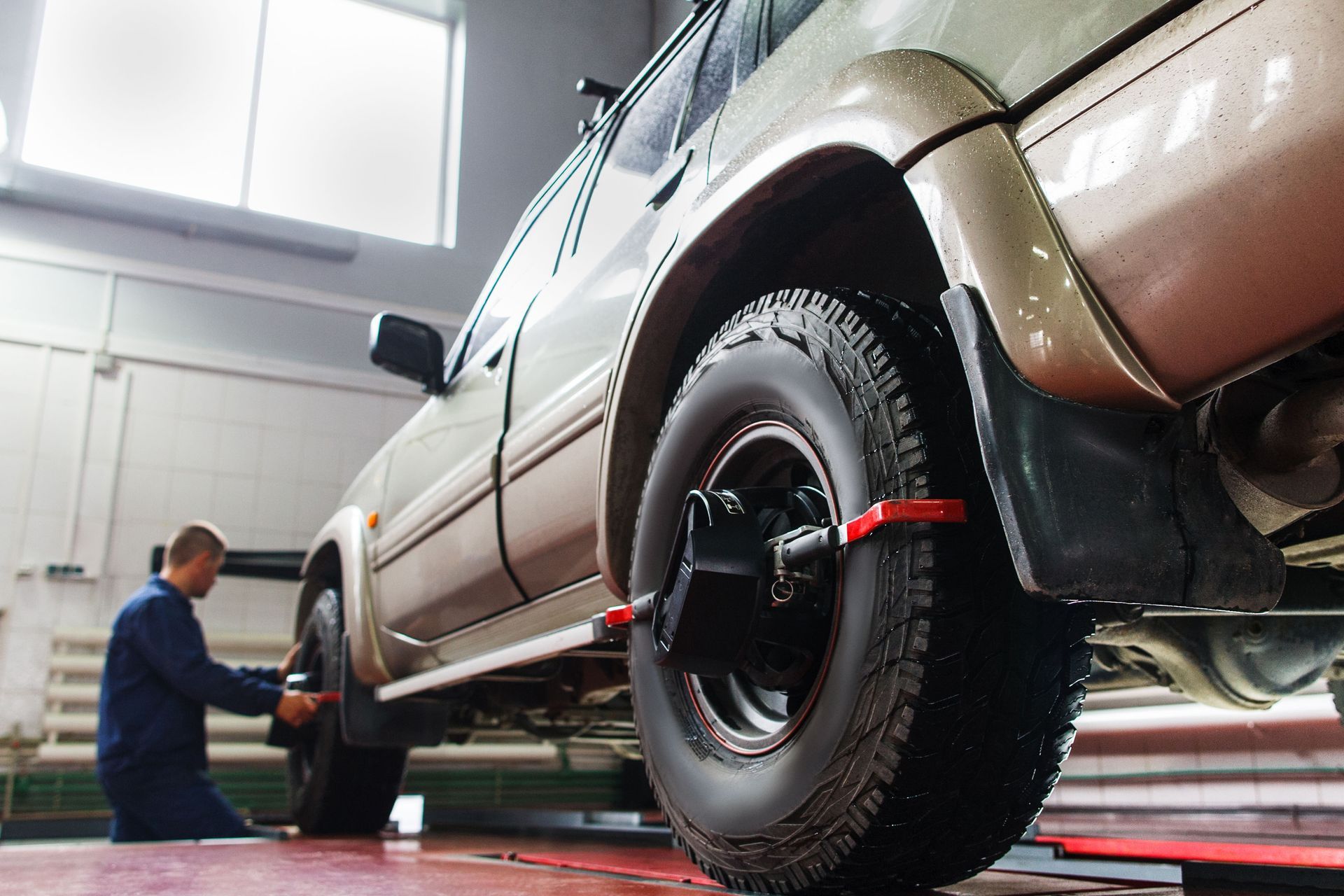
A wheel alignment involves adjusting the camber, caster, and toe angles of your vehicle’s wheels to match manufacturer specifications. This adjustment ensures proper tire wear, better handling, and improved safety. Improper alignment can affect suspension components and steering, leading to accelerated wear and handling problems. It can also reduce fuel efficiency by increasing rolling resistance.
Most alignment services take an hour or less, depending on the vehicle’s condition and adjustments required. While some car enthusiasts attempt DIY alignment, professional services are recommended for accuracy. Precision is critical; minor miscalculations can cause uneven tire wear, steering issues, and compromised safety. Visiting a trusted car alignment shop ensures proper alignment, extending tire life, improving fuel economy, and maintaining overall vehicle performance.
Proper wheel alignment is essential for vehicle safety, tire longevity, fuel efficiency, and driving comfort. Symptoms such as uneven tire wear, an off-center steering wheel, vehicle pulling, vibrations, or squealing tires indicate it’s time to visit a car alignment shop. Understanding the causes, benefits of timely correction, and recommended frequency of alignment checks allows drivers to take proactive steps to maintain their vehicle. By selecting a qualified, reputable shop and incorporating alignment into regular maintenance routines, you can avoid costly repairs, ensure safety, and enjoy a smoother ride. Keep your vehicle in peak condition and schedule your next alignment with Streamline Auto today.